Andrew Langevin
Co-Founder
Is Mushroom Coffee Safe? What You Need to Know Before Trying It
Mushroom coffee has gone from niche health trend to mainstream wellness product. But as with any supplement that gains popularity, questions about safety inevitably follow. Is mushroom coffee actually safe? Who should avoid it? What are the risks?
The short answer: for most healthy adults, mushroom coffee is safe. But "most healthy adults" doesn't mean everyone—and the details matter.
This guide provides an honest, comprehensive look at mushroom coffee safety: what the research shows, who should be cautious, potential side effects, drug interactions, and how to choose a quality product.
The Quick Answer
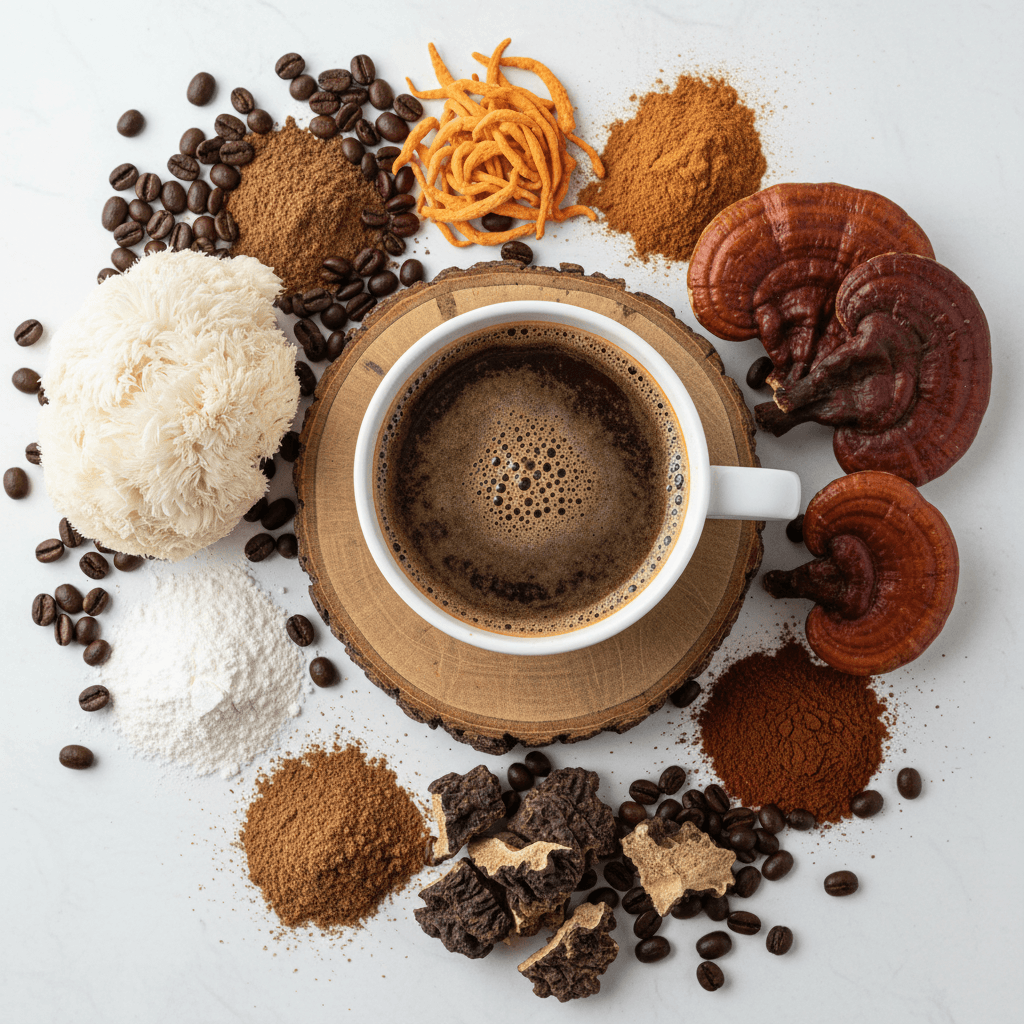
Mushroom coffee is generally considered safe for most healthy adults when consumed in moderate amounts. The functional mushrooms used (Lion's Mane, Chaga, Reishi, Cordyceps, Turkey Tail) have been consumed for centuries in traditional medicine and have reasonable safety profiles in clinical research.
However:
- Certain groups should avoid or use caution (see below)
- Quality varies dramatically between products
- Long-term safety data is limited
- Drug interactions exist
Let's break this down.
What "Safe" Actually Means
When we say mushroom coffee is "safe," we're saying:
- The mushrooms used aren't toxic. These are well-known medicinal mushrooms, not psychoactive or poisonous varieties
- Clinical studies show few adverse effects at typical supplement doses
- Centuries of traditional use without major safety concerns
- Side effects are generally mild and rare
What we're NOT saying:
- That mushroom coffee is FDA-approved (it isn't—supplements don't require FDA approval)
- That long-term effects are fully understood (they aren't)
- That it's safe for everyone (it's not)

Side Effects by Mushroom Type
Different mushrooms carry different considerations. Here's what you should know about each:
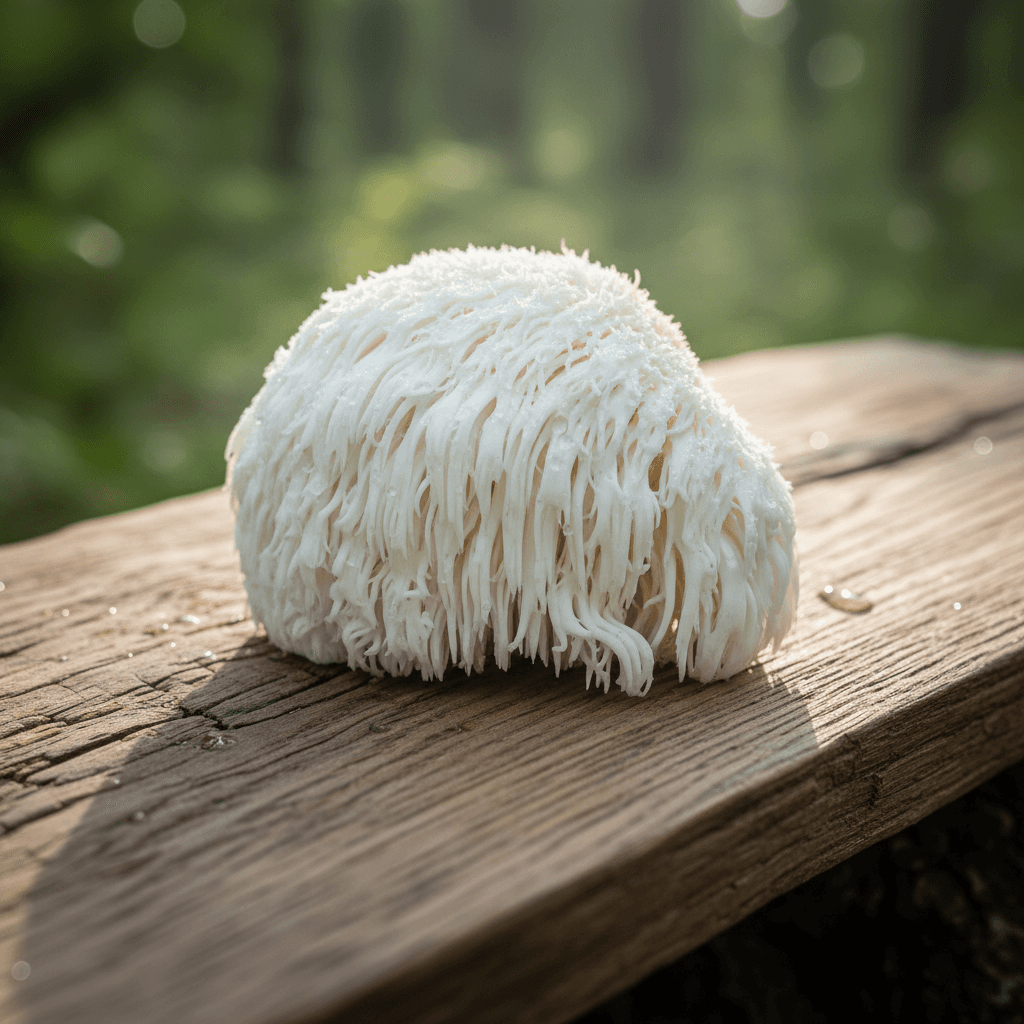
Lion's Mane
Safety profile: Generally excellent
Possible side effects:
- Mild digestive upset (when starting at high doses)
- Skin itching or rash (rare, possibly allergy-related)
- Some users report a mild tingling sensation (related to NGF stimulation)
Special considerations:
- May affect neurotransmitter pathways—use caution if taking psychiatric medications (SSRIs, MAOIs, antipsychotics)
- Limited research during pregnancy/breastfeeding
Chaga
Safety profile: Good, with specific cautions
Possible side effects:
- Generally well-tolerated at moderate doses
Special considerations:
- High oxalate content: Can contribute to kidney stones with excessive long-term use. Documented cases of kidney damage exist (at high doses over extended periods)
- May lower blood sugar—caution with diabetes medications
- Contains blood-thinning compounds—avoid before surgery or with anticoagulants
Reishi
Safety profile: Good for up to one year of use (per studies)
Possible side effects:
- Dizziness
- Dry mouth
- Digestive upset
- Headaches (rare)
- Nosebleeds (with long-term high doses)
Special considerations:
- Blood-thinning effects—avoid with anticoagulants
- May lower blood pressure—caution with BP medications
- Rare liver problems reported—those with liver disease should avoid
- Not recommended during pregnancy/breastfeeding per NIH
Cordyceps
Safety profile: Generally good
Possible side effects:
- Dry mouth
- Nausea
- Diarrhea (at high doses)
Special considerations:
- May affect blood sugar—caution with diabetes medications
- May affect hormone levels (estrogen, testosterone)
- Not recommended for autoimmune conditions (lupus, RA, MS)
- Blood-thinning potential—caution with anticoagulants
Turkey Tail
Safety profile: Excellent (used in cancer research for decades)
Possible side effects:
- Digestive changes (gas, bloating)
- Darkened stools
- Rare: flu-like symptoms, heartburn
Special considerations:
- May stimulate immune system—caution with immunosuppressants or autoimmune conditions
- May lower blood sugar—caution with diabetes medications
Who Should NOT Drink Mushroom Coffee

Based on current evidence, the following groups should avoid mushroom coffee or consult a healthcare provider first:
Pregnant or Breastfeeding Women
There's insufficient safety research on functional mushrooms during pregnancy or breastfeeding. Most health organizations recommend avoiding them during these periods. The NIH specifically warns against Reishi during pregnancy/breastfeeding.
If you're pregnant or nursing and want a lower-caffeine alternative to coffee, consider decaf or half-caf regular coffee instead.
People Taking Blood Thinners
Multiple mushrooms (Chaga, Reishi, Cordyceps) have blood-thinning properties. Combined with medications like warfarin, aspirin, or other anticoagulants, this could increase bleeding risk.
If you take blood thinners, avoid mushroom coffee or consult your doctor first.
People on Diabetes Medications
Several functional mushrooms may lower blood sugar. Combined with diabetes medications, this could cause hypoglycemia (dangerously low blood sugar).
If you have diabetes, monitor your blood sugar carefully when starting mushroom coffee and discuss with your healthcare provider.
Those with Autoimmune Conditions
Cordyceps, Reishi, and Turkey Tail stimulate the immune system. For people with autoimmune conditions (rheumatoid arthritis, lupus, multiple sclerosis, inflammatory bowel disease), this immune stimulation could potentially worsen symptoms.
Consult your rheumatologist or specialist before trying mushroom coffee.
People Taking Immunosuppressants
The immune-boosting effects of functional mushrooms may counteract immunosuppressive medications used after organ transplants or for autoimmune conditions.
Those with Kidney Disease or History of Kidney Stones
Chaga contains high levels of oxalates. For people prone to kidney stones or with existing kidney problems, this is a legitimate concern—especially with regular, long-term use.
People with Liver Disease
Rare cases of liver problems have been associated with Reishi. Those with existing liver conditions should avoid Reishi-containing products or use only under medical supervision.
Those with Mushroom Allergies
This might seem obvious, but it's worth stating: if you're allergic to mushrooms, avoid mushroom coffee. Allergic reactions can range from mild (skin rash) to severe (difficulty breathing).
Anyone Scheduled for Surgery
Stop mushroom coffee at least 2 weeks before scheduled surgery. Multiple functional mushrooms affect blood clotting and blood sugar—both relevant during surgical procedures.
Drug Interactions
Mushroom coffee can interact with various medications through several mechanisms:
CYP450 Enzyme Effects
Many functional mushrooms affect liver enzymes (CYP450 system) that metabolize medications. This can make drugs either less effective or too potent.
Specific Medication Concerns
| Medication Type | Concern | Mushrooms Involved |
|---|---|---|
| Blood thinners (warfarin, aspirin) | Increased bleeding risk | Chaga, Reishi, Cordyceps |
| Diabetes medications | Hypoglycemia risk | Chaga, Reishi, Cordyceps, Turkey Tail |
| Blood pressure medications | Excessive BP lowering | Reishi |
| Immunosuppressants | Reduced drug efficacy | Reishi, Turkey Tail, Cordyceps |
| Psychiatric medications (SSRIs, MAOIs) | Neurotransmitter interactions | Lion's Mane |
| Chemotherapy drugs | Immune modulation | Turkey Tail |
General Recommendation
If you take any prescription medications, consult your healthcare provider before starting mushroom coffee. Consider waiting at least 30 minutes between taking medication and drinking mushroom coffee.
Caffeine Considerations
Don't forget—mushroom coffee still contains caffeine (typically 50-80mg per serving). Standard caffeine precautions apply:
- Caffeine sensitivity: If you're sensitive to caffeine, mushroom coffee may still cause jitters, anxiety, or sleep disruption
- Pregnancy: While mushroom coffee has less caffeine, the American College of Obstetrics and Gynecology recommends limiting caffeine to 200mg daily during pregnancy
- Children: Not recommended for children due to both caffeine and the lack of pediatric safety data on functional mushrooms
- Evening consumption: May disrupt sleep if consumed too late in the day
Quality and Regulation: The Wild West Problem
Here's an uncomfortable truth: mushroom supplement quality varies dramatically, and regulation is minimal.
FDA Oversight Is Limited
Dietary supplements (including mushroom coffee) don't require FDA approval before sale. The FDA only steps in after problems emerge—through warning letters, recalls, or enforcement actions.
Manufacturers are responsible for ensuring their products are safe and accurately labeled, but enforcement is reactive rather than proactive.
The Raw Powder Problem
Research has found that many products labeled as "mushroom" actually contain raw mushroom powder without proper extraction. Your body can't easily break down mushroom cell walls (made of chitin), so much of the beneficial compounds remain locked away.
Quality products use:
- Dual-extracted full spectrum extracts (capturing compounds from both fruiting body and mycelium)
- Specified active compound content with third-party verification
Contamination Risks
Without rigorous testing, mushroom supplements can contain:
- Heavy metals (from growing substrate or environment)
- Pesticides
- Microbial contamination
- Undisclosed filler ingredients
How to Choose a Quality Product
Look for:
- Third-party testing: Certificates of Analysis (COAs) for purity and potency
- Specified beta-glucan content: Quality products disclose this (should be >20%)
- Full spectrum extraction: Products using both fruiting body and mycelium, properly extracted
- Dual extraction: Captures both water and alcohol-soluble compounds
- Transparent sourcing: Companies should disclose where mushrooms are grown and how they're extracted
Long-Term Safety: What We Don't Know
Most mushroom safety studies last weeks to months. We have limited data on:
- Effects of daily consumption over years or decades
- Cumulative effects of combining multiple mushroom types
- Long-term effects on liver, kidney, or immune function
- Interactions with conditions that develop over time
This doesn't mean long-term use is dangerous—traditional use spanning centuries suggests reasonable safety. But "probably safe" and "proven safe" aren't the same thing.
Practical Approach
- Start with lower doses and increase gradually
- Consider periodic breaks (some practitioners recommend 1-2 weeks off every few months)
- Monitor how you feel and adjust accordingly
- Get regular health checkups that include liver and kidney function
Signs to Stop and Consult a Doctor
Discontinue mushroom coffee and consult a healthcare provider if you experience:
- Persistent digestive problems
- Skin rash, itching, or hives
- Difficulty breathing (seek emergency care)
- Unusual bleeding or bruising
- Jaundice (yellowing of skin or eyes)
- Significant mood changes
- Symptoms of low blood sugar (shakiness, confusion, sweating)
The Bottom Line
Mushroom coffee is safe for most healthy adults who don't fall into the caution categories above. The functional mushrooms used have centuries of traditional use and reasonable clinical safety data.
What makes it relatively safe:
- Well-known medicinal mushrooms (not toxic or psychoactive varieties)
- Generally mild side effects at recommended doses
- Extensive traditional use
- Growing body of clinical research
What requires caution:
- Limited long-term human studies
- Variable product quality in an under-regulated market
- Real drug interactions with common medications
- Specific groups who should avoid it entirely
Practical recommendations:
- If you're healthy and don't take medications, mushroom coffee is likely safe to try
- Start with smaller amounts to assess tolerance
- Choose quality products with third-party testing
- If you have any health conditions or take medications, consult your healthcare provider first
- If you're pregnant, breastfeeding, or have autoimmune/kidney/liver conditions, avoid mushroom coffee or get explicit medical clearance
The honest answer is that mushroom coffee isn't right for everyone—but for the majority of healthy adults, it's a reasonable choice when sourced from quality producers.
FAQ
Is mushroom coffee FDA approved?
No. Dietary supplements don't require FDA approval. The FDA regulates supplements but doesn't approve them for safety or efficacy before sale.
Can I drink mushroom coffee every day?
For most healthy adults, yes. Studies have used functional mushrooms daily for up to a year without major issues. However, consider periodic breaks and monitor how you feel.
Is mushroom coffee safe for kids?
Not recommended. There's no pediatric safety data on functional mushrooms, and children shouldn't consume caffeine regularly.
Will mushroom coffee show up on a drug test?
No. Functional mushrooms are not psychoactive and won't affect drug tests. They're completely different from psilocybin mushrooms.
Can I drink mushroom coffee if I have anxiety?
Generally yes—and it may help. Mushroom coffee has less caffeine than regular coffee (reducing caffeine-induced anxiety), and some mushrooms (Reishi) have calming properties. However, if you take anxiety medications, consult your doctor about potential interactions.
Related Reading:
- Mushroom Coffee Side Effects: What to Expect
- Mushroom Coffee and Weight Loss
- Mushroom Coffee During Pregnancy
- Mushroom Coffee for Caffeine Sensitivity
This article is for informational purposes only and is not medical advice. Consult your healthcare provider before starting mushroom coffee, especially if you have health conditions, take medications, or are pregnant or breastfeeding.