Andrew Langevin
Co-Founder
The History of Medicinal Mushrooms: From Ancient Medicine to Modern Coffee
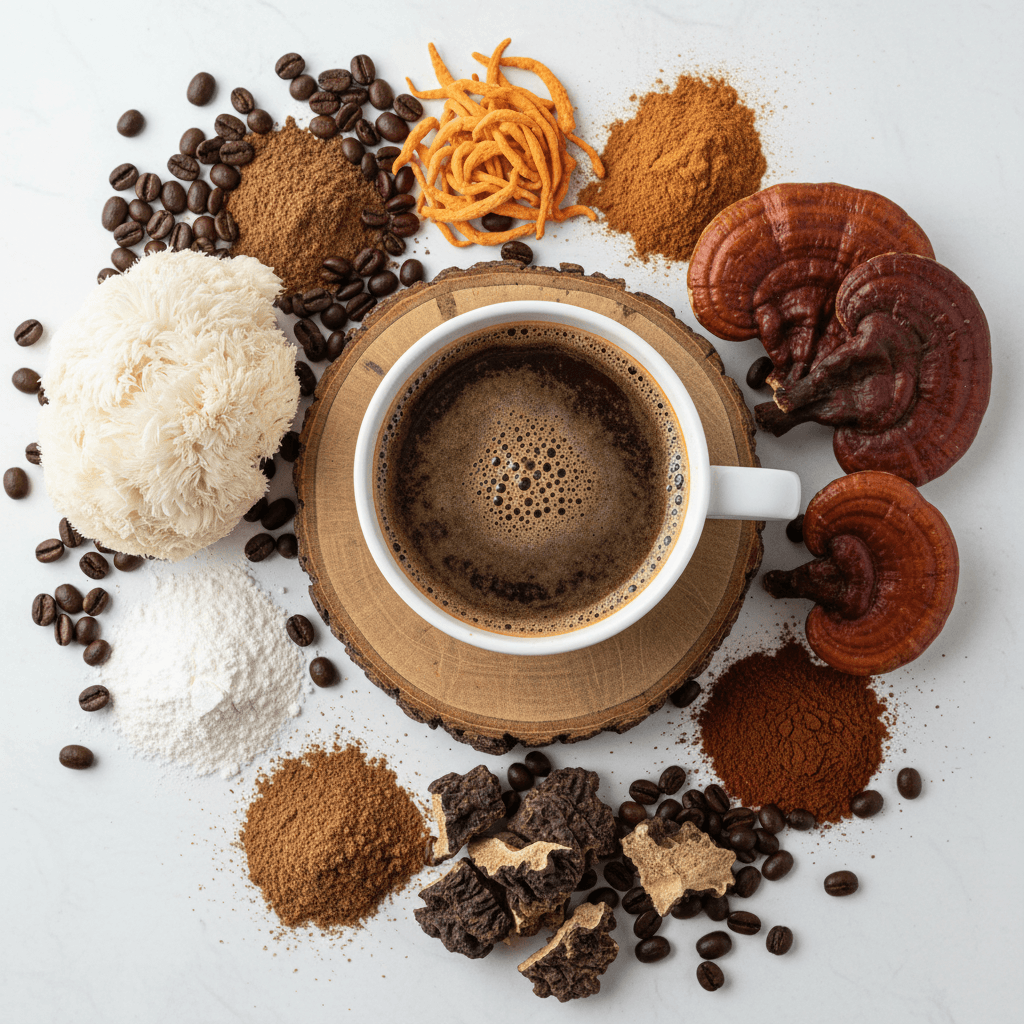
Long before mushroom coffee became a wellness trend, functional fungi were revered healing agents in cultures worldwide. The mushrooms in your morning cup carry thousands of years of medicinal tradition—and increasingly, modern scientific validation.
Let's journey through the remarkable history of the mushrooms that make your coffee more than just caffeine.
Ancient Origins: Where It All Began

China: The Cradle of Mushroom Medicine (3000+ BCE)
The earliest documented use of medicinal mushrooms comes from ancient China, where fungi weren't just food—they were powerful medicine.
Reishi (Ling Zhi) - "Mushroom of Immortality"
- First mentioned in the Shennong Ben Cao Jing (~200 BCE), China's oldest medicinal text
- Reserved exclusively for royalty due to rarity
- Emperors sent armies to search for wild Reishi
- Believed to grant eternal life, calm the mind, and strengthen the heart
- Artists incorporated Reishi into imperial symbols and artifacts
The Philosophy:
In Traditional Chinese Medicine (TCM), mushrooms were classified as "superior" medicines—substances that could be taken long-term to promote overall vitality rather than treat specific diseases.
Japan: Parallel Traditions (1000+ years)
Japanese medicine developed alongside Chinese traditions, with unique applications:
Shiitake:
- Cultivated since at least 1100 CE
- Used to enhance energy and circulation
- Given to samurai warriors before battle
Maitake:
- Name means "dancing mushroom" (allegedly people danced with joy upon finding it)
- Valued for immune support

- Worth its weight in silver during feudal periods
Indigenous Traditions Worldwide
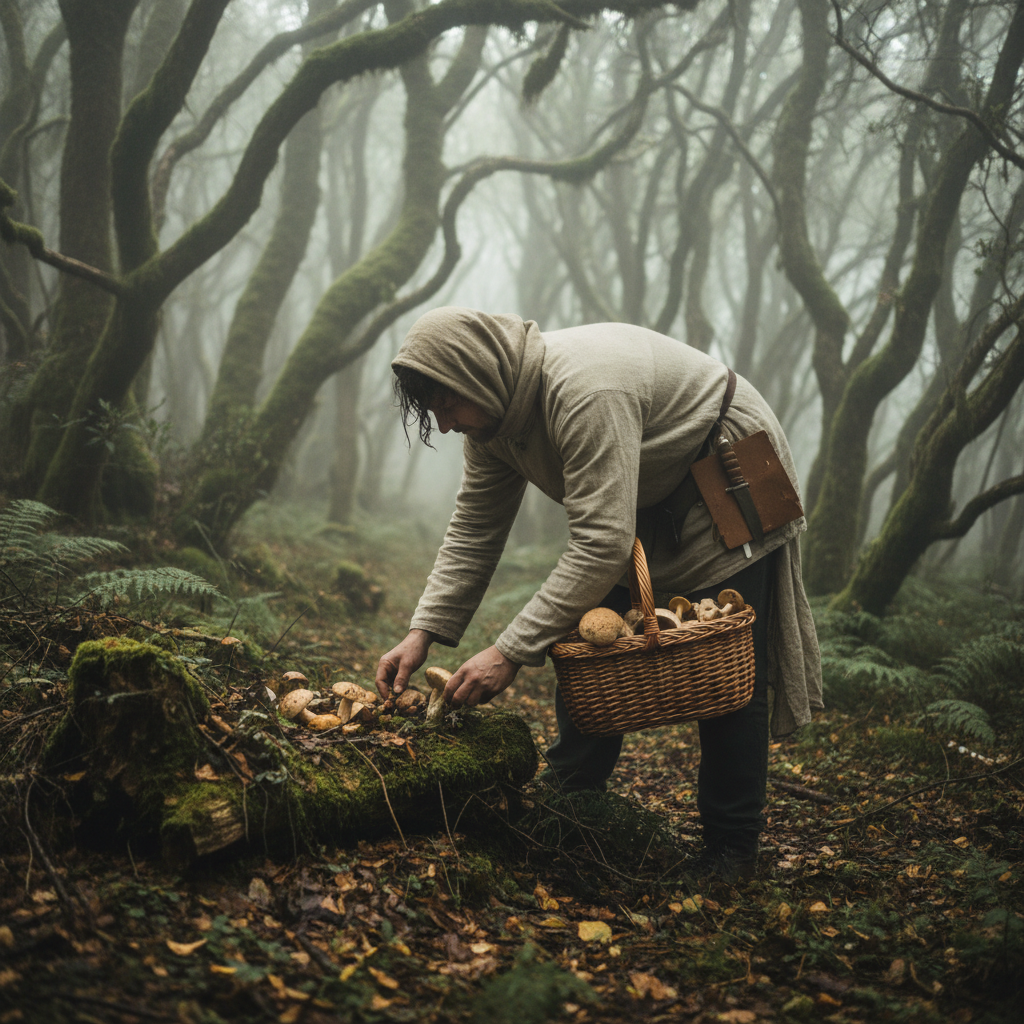
Siberia and Russia: Chaga Country
Chaga has been used in Siberian folk medicine for centuries:
- First documented use dates to 16th century
- Called "Gift from God" or "Mushroom of Immortality" (different mushroom, same title—speaks to cultural reverence)
- Used as tea for digestive health and overall vitality
- Folk medicine prescribed it for tuberculosis and stomach conditions
- Russian Nobel laureate Solzhenitsyn wrote about Chaga's folk medicine use in "The Cancer Ward" (1967)
South American Traditions
Cordyceps (though native to high-altitude Asia):
- Tibetan and Nepalese herders discovered sheep and yaks that ate cordyceps had more energy and stamina
- Became prized medicine traded along ancient routes
- Worth four times its weight in silver historically
North American Indigenous Use
While less documented, various indigenous peoples used:
- Turkey Tail: For immune support and wellness
- Amadou (tinder fungus): For fire-starting and wound dressing
- Birch polypore: Found with Ötzi the Iceman (5,300-year-old mummy), suggesting very ancient use
The Scientific Revolution: Mushrooms Meet Modern Medicine
Early Western Research (1950s-1970s)
Western science began taking mushrooms seriously mid-20th century:
1958: Japanese scientists isolate lentinan from shiitake, study immune effects
1968: Chaga research begins in Russia, particularly for gastric conditions
1971: Scientists discover beta-glucans in medicinal mushrooms—a breakthrough in understanding how they work
The Cordyceps Athletic Discovery (1993)
A pivotal moment for mushroom awareness:
- Chinese women's running team shattered world records
- Coach attributed success partly to cordyceps supplementation
- Initially suspected of doping, but no banned substances found
- Put medicinal mushrooms on the global map
- Sparked worldwide research interest
Lion's Mane Breakthrough (1991-2000s)
Dr. Hirokazu Kawagishi made discoveries that would shape the nootropic industry:
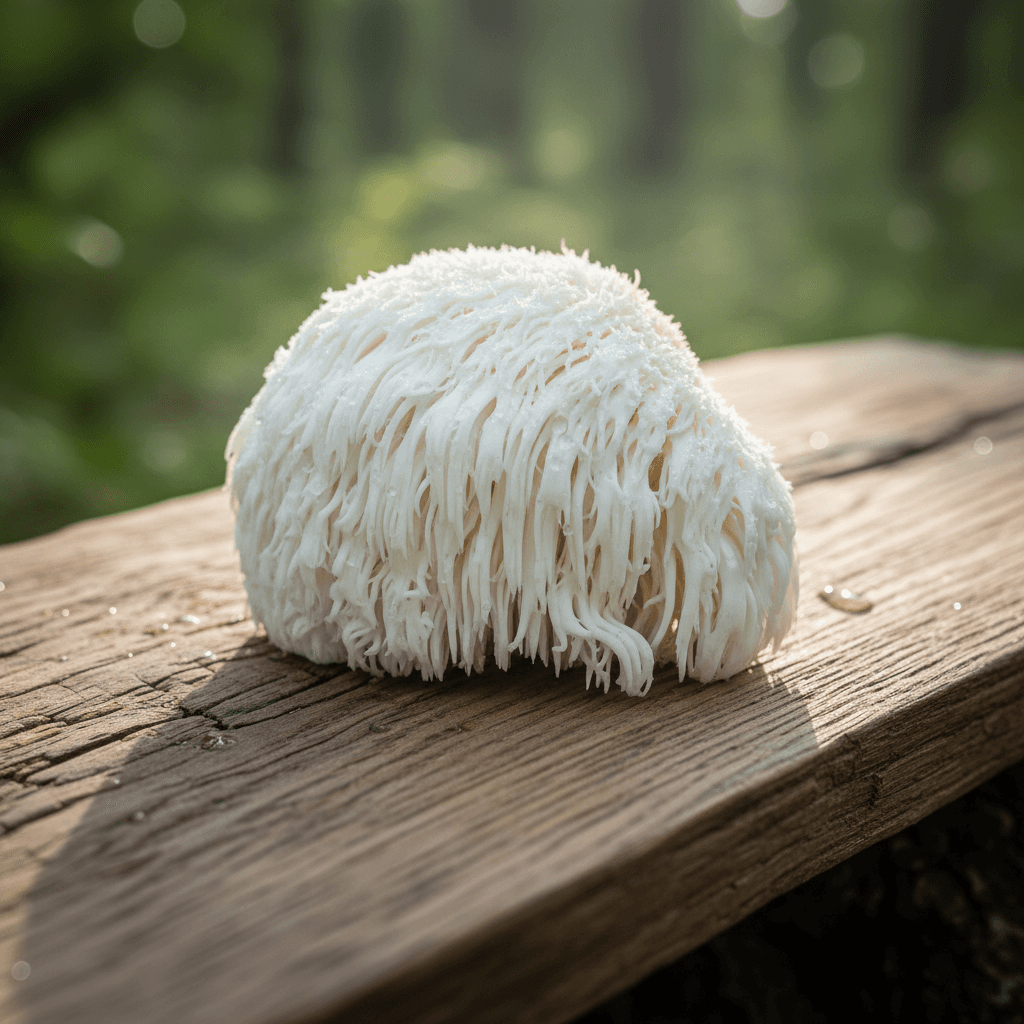
- Isolated compounds unique to Lion's Mane: hericenones and erinacines
- Demonstrated these could cross the blood-brain barrier
- Showed they could stimulate Nerve Growth Factor (NGF) production
- Opened door for brain health applications
The Functional Food Movement (2000-2015)
From Medicine Cabinet to Kitchen Cabinet
The 2000s saw a shift:
Traditional approach: Mushrooms as medicine (tinctures, capsules, prescribed substances)
New approach: Mushrooms as functional foods (daily consumption for wellness)
Key developments:
- Improved cultivation made mushrooms more accessible
- Standardization allowed consistent potency
- Consumer interest in "food as medicine" grew
- Supplements became mainstream
The Coffee Connection Begins
Four Sigmatic (founded 2012 in Finland) pioneered mushroom coffee:
- Combined Finnish mushroom tradition with coffee culture
- Made functional mushrooms accessible and convenient
- Proved the concept had mainstream appeal
- Created an entire category
Modern Scientific Validation (2015-Present)
What Research Now Shows
Modern studies have validated many traditional uses:
Lion's Mane:
- 2019 study: Improved cognitive function in adults with mild cognitive impairment
- 2020 research: Demonstrated NGF stimulation in human cell lines
- Ongoing studies: Effects on depression, anxiety, and neuroprotection
Chaga:
- Extensive antioxidant research (ORAC scores among highest of any food)
- Studies on immune modulation
- Research into anti-inflammatory compounds
Reishi:
- 2016 review: Evidence for immune system modulation
- Sleep research showing effects on relaxation
- Ongoing cancer research (as complementary support, not treatment)
Cordyceps:
- ATP production research (cellular energy)
- Athletic performance studies
- Oxygen utilization studies
Turkey Tail:
- FDA approved PSP (from Turkey Tail) for clinical trials alongside cancer treatment
- Extensive immune function research
- Gut microbiome studies
The Modern Mushroom Coffee Era (2015-Present)
From Niche to Mainstream
2015-2018: Early Adopters
- Biohackers and wellness enthusiasts discover mushroom coffee
- Limited availability, premium pricing
- Mostly instant formats
2018-2021: Growth Phase
- Multiple brands enter market
- Ground coffee options emerge
- Retail distribution expands
- Celebrity and influencer adoption
2021-Present: Mainstream Acceptance
- Available at major retailers
- Canadian brands emerge (including Shyne Coffee)
- Price becomes competitive
- Scientific research accelerates
Why Coffee Became the Delivery Vehicle
Coffee was the perfect pairing:
- Daily ritual already established - No new habit needed
- Flavor masking - Coffee's strong taste complements mushroom earthiness
- Synergy - Mushrooms may smooth coffee's edge
- Accessibility - Everyone knows how to make coffee
- Dose consistency - Easy to get consistent mushroom intake
Canada's Place in Mushroom History
Indigenous Knowledge
First Nations peoples used various fungi for:
- Wound healing
- Fire-starting
- Spiritual ceremonies
- Food preservation
Modern Canadian Contributions
Canada has become significant in the mushroom world:
Research: Canadian universities conduct ongoing medicinal mushroom studies
Cultivation: BC and Ontario have growing functional mushroom farms
Brands: Canadian companies now create high-quality mushroom coffee products
Regulation: Health Canada has established frameworks for mushroom supplements
The Full Circle: Ancient Wisdom, Modern Science
What the Ancients Knew
Traditional practitioners understood mushrooms:
- Supported overall vitality (we now call this adaptogenic properties)
- Enhanced mental clarity (neurotrophic factors)
- Boosted resilience to stress (immune modulation)
- Should be used consistently over time (cumulative effects)
What Science Has Added
Modern research has:
- Identified specific active compounds (beta-glucans, triterpenes, hericenones)
- Understood mechanisms of action
- Standardized dosing
- Developed better extraction methods
- Created accessible delivery formats (like coffee)
The Beautiful Synthesis
Today's mushroom coffee represents the best of both worlds:
- Traditional wisdom about which mushrooms to use
- Modern science about how and why they work
- Convenient formats for daily use
- Quality control ensuring potency
Timeline: 5,000 Years of Mushroom Medicine
| Era | Development |
|---|---|
| ~3000 BCE | First documented use in Chinese medicine |
| ~200 BCE | Reishi mentioned in Shennong Ben Cao Jing |
| ~100 CE | Mushrooms classified in TCM hierarchy |
| ~1100 CE | Shiitake cultivation begins in Japan |
| ~1500 CE | Chaga use documented in Siberia |
| 1958 | Lentinan isolated from shiitake |
| 1968 | Systematic Chaga research begins |
| 1991 | Lion's Mane NGF research begins |
| 1993 | Chinese athletes bring cordyceps to global attention |
| 2012 | Four Sigmatic launches mushroom coffee |
| 2015+ | Mushroom coffee goes mainstream |
| Present | Continued research validation |
The Future of Mushroom Medicine
What's Coming
Personalized mushroom protocols: Based on individual genetics and health goals
New delivery methods: Beyond coffee to foods, skincare, and more
Clinical applications: Integration into mainstream healthcare for specific conditions
Expanded research: More human clinical trials, longer-term studies
Sustainability focus: Improved cultivation methods with lower environmental impact
Frequently Asked Questions
Are the mushrooms in coffee the same as ancient medicine?
Yes, they're the same species (Lion's Mane, Chaga, Reishi, etc.). Modern products use improved extraction methods and standardization, but the mushrooms themselves are identical to those used for millennia.
Why did it take so long for the West to adopt mushroom medicine?
Several factors: cultural differences in medical philosophy, lack of early scientific tools to validate traditional claims, and pharmaceutical industry focus on synthetic compounds. The wellness movement and improved research methods changed this.
Is mushroom coffee more or less potent than traditional preparations?
It depends on the preparation. Traditional decoctions (long-simmered teas) could be very potent. Quality mushroom coffee uses concentrated extracts that can match or exceed traditional preparations, with more consistent dosing.
What would ancient practitioners think of mushroom coffee?
Likely approval—they understood that daily, consistent use was key. They'd appreciate the convenience while probably recommending it be part of a broader wellness approach.
Conclusion: You're Part of the Story
When you drink mushroom coffee, you're participating in one of humanity's oldest wellness traditions, updated for modern life. The Lion's Mane supporting your focus was revered by Chinese emperors. The Chaga boosting your energy was treasured by Siberian healers.
What ancient cultures knew intuitively, modern science is validating. And what was once reserved for royalty is now available in your morning cup.
That's worth appreciating with your next sip.
Related Reading: