Nicole DiPietro
Co-Founder & Master Blender
Lion's Mane for Focus: What the Science Actually Says (2026 Update)
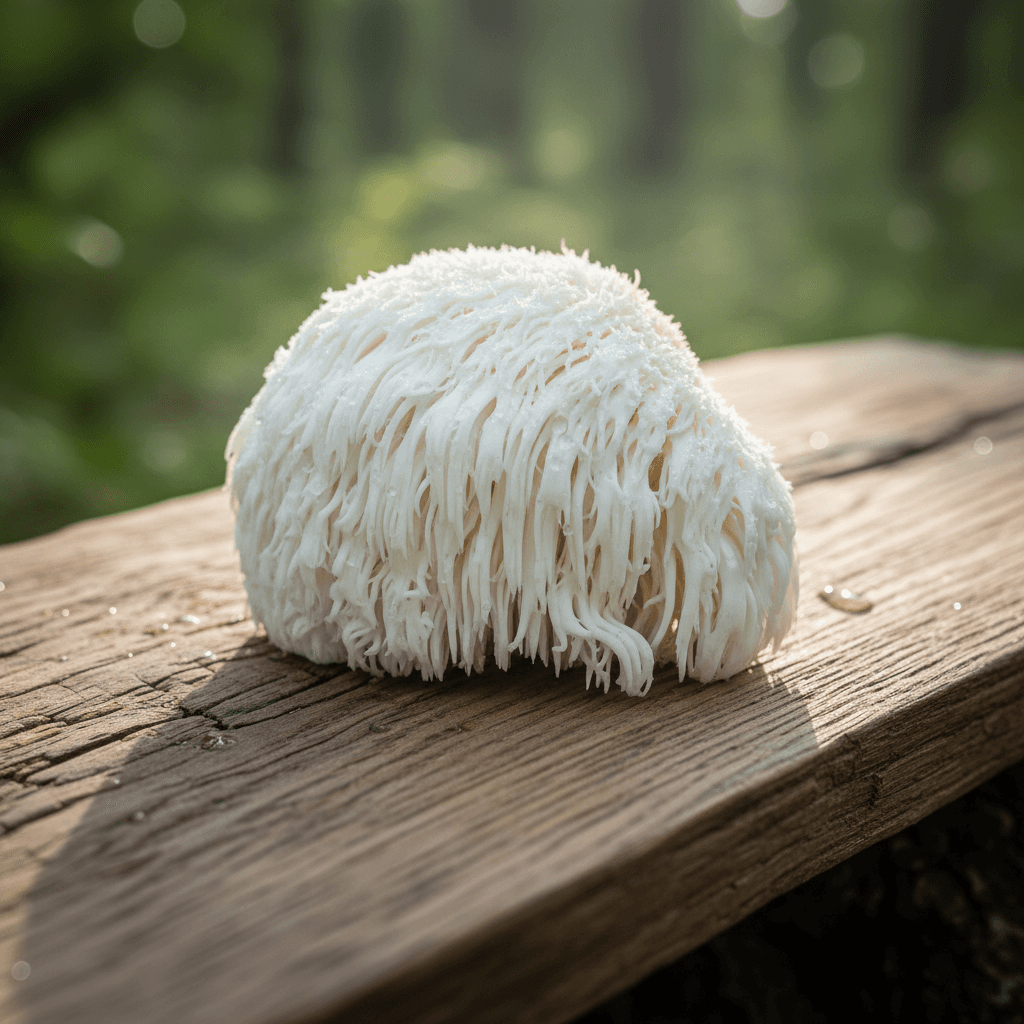
Lion's Mane mushroom (Hericium erinaceus) has become one of the most talked-about natural nootropics. Scroll through any wellness forum, and you'll find people claiming it transformed their focus, cleared their brain fog, or helped them power through demanding work.
But here's what most articles won't tell you: the science is promising but limited. Some studies show real cognitive benefits. Others show nothing. Understanding what we actually know—and don't know—helps you make an informed decision about whether Lion's Mane is worth trying.
This guide cuts through the hype with an honest look at the research, the mechanisms, the dosing, and who might benefit most.
The Short Answer
Lion's Mane contains compounds (hericenones and erinacines) that stimulate nerve growth factor (NGF) production in laboratory studies. Small human trials suggest it may improve cognitive function and reduce subjective stress, particularly in older adults with mild cognitive impairment.
However, results in healthy young adults are mixed, and we lack large-scale clinical trials confirming these effects. Lion's Mane is promising but not proven.
How Lion's Mane Works: The Science of NGF
To understand Lion's Mane's potential, you need to understand nerve growth factor (NGF).
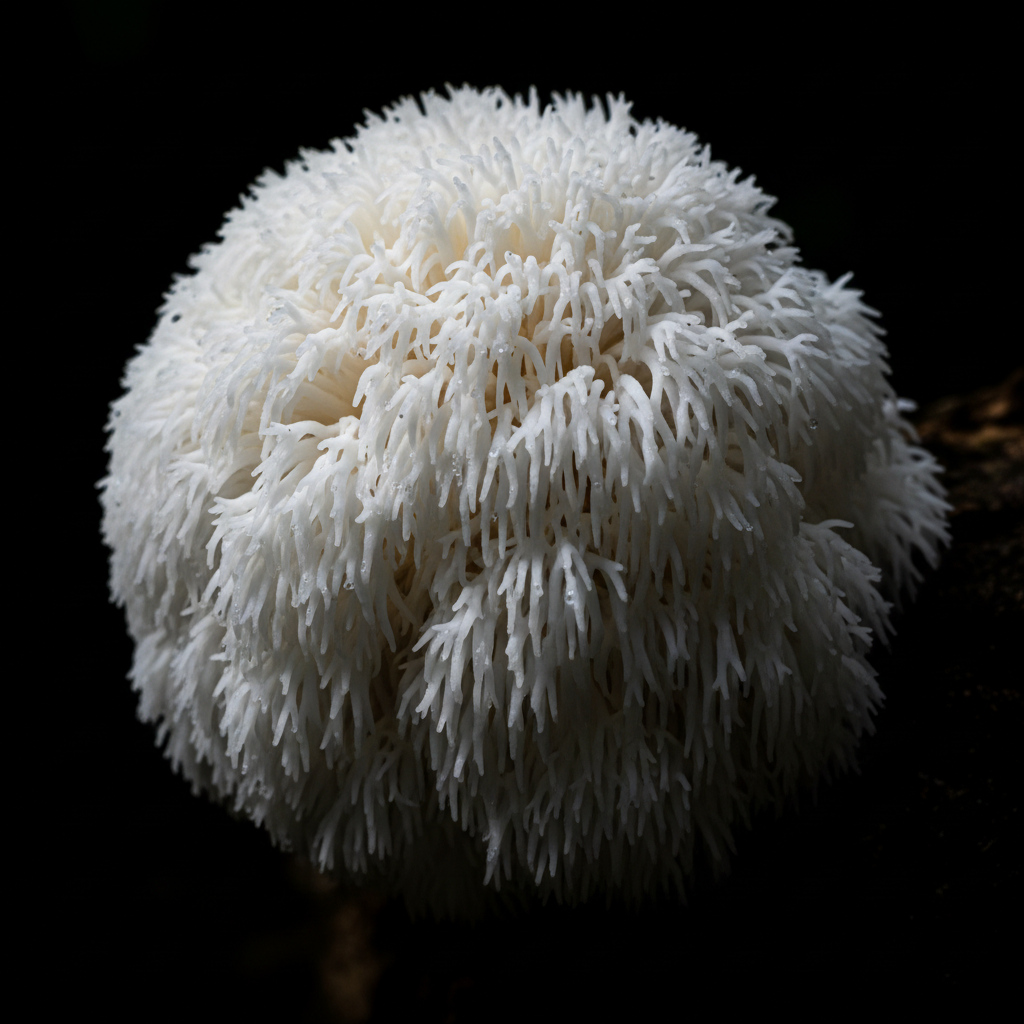
What Is Nerve Growth Factor?
NGF is a protein essential for the growth, maintenance, and survival of neurons—particularly in the basal forebrain, an area critical for memory and attention. Without adequate NGF, neurons can atrophy. With sufficient NGF, neurons thrive, form new connections, and maintain healthy function.
As we age, NGF levels naturally decline. This is one factor contributing to age-related cognitive decline.
Lion's Mane's Unique Compounds
Lion's Mane contains two families of compounds found in no other mushroom:
Hericenones (from the fruiting body):
- At least 8 identified compounds (Hericenones A-H)
- Stimulate NGF synthesis in laboratory cell cultures
- Found only in the mushroom's fruiting body
Erinacines (from the mycelium):
- At least 15 identified compounds (Erinacines A-K, P-S)
- Appear to stimulate NGF synthesis more potently than hericenones
- Small enough to potentially cross the blood-brain barrier
- Found primarily in the mushroom's mycelium (root structure)
Here's the critical point: both hericenones and erinacines stimulate glial cells (support cells in the brain) to produce NGF. They don't produce NGF directly—they trigger your brain's own production mechanism.
Does It Actually Cross the Blood-Brain Barrier?
This is the million-dollar question. Laboratory studies suggest these compounds can cross the blood-brain barrier due to their small molecular size. Animal studies show brain effects consistent with this. However, we don't have definitive human studies confirming brain penetration.
The indirect evidence is encouraging, but it remains indirect.
What the Human Research Shows
Let's look at the actual clinical trials—what worked, what didn't, and what remains uncertain.
The Landmark Japanese Study (2009)
The most-cited Lion's Mane study followed 30 Japanese adults (aged 50-80) with mild cognitive impairment.
Protocol:
- 3 grams of Lion's Mane powder daily for 16 weeks
- Double-blind, placebo-controlled design
Results:
- Significant improvements in cognitive function scores at weeks 8, 12, and 16
- Improvements observed throughout the treatment period
- Benefits disappeared 4 weeks after stopping supplementation
Limitations:
- Small sample size (30 participants)
- Specific population (older adults with existing impairment)
- Improvements required continued use
This study is often cited as "proof" Lion's Mane works, but it studied a specific population under specific conditions. It doesn't tell us whether healthy young adults would see the same benefits.
Recent Research (2023-2025)
Young Adult Pilot Study (2023):
A double-blind study of healthy young adults taking 1.8g daily for 28 days found:
- Improved speed of cognitive performance
- Reduced subjective stress
- No significant improvement in accuracy measures
2025 Acute Effects Study:
A recent randomized controlled trial examined single-dose effects of 1,000mg Lion's Mane extract on healthy younger adults. Results showed some improvements in cognitive performance, though the study acknowledged limitations in sample size.
Mixed Results in Reviews:
A 2024 systematic review of mushroom effects on cognition found "mixed results" across Lion's Mane studies, with some showing benefits in middle-aged and older adults, while others showed no effect.
The Negative Study:
Importantly, a study of 24 college students taking 10g of Lion's Mane daily for 4 weeks found no effect on cognition. This suggests that more isn't necessarily better, and that young, healthy brains may respond differently than aging ones.
What the Research Tells Us
Strongest evidence:
- Older adults with mild cognitive impairment may benefit from consistent use
- Cognitive function improvements appear cumulative (8+ weeks)
- Benefits require ongoing supplementation
Weaker evidence:
- Healthy young adults may see improvements in speed and stress, but results vary
- Acute (single-dose) effects exist but are modest
No evidence:
- Long-term effects beyond 16 weeks
- Optimal dosing for different populations
- Whether benefits persist with extended use
Lion's Mane for Focus: Who Might Benefit?
Based on the research, certain groups may be better candidates for Lion's Mane than others.

Likely to Benefit
Adults over 50 experiencing brain fog:
The strongest evidence supports cognitive benefits in older adults with mild impairment. If you're noticing age-related changes in memory or focus, Lion's Mane may help.
People under chronic stress:
Several studies found reduced subjective stress alongside cognitive effects. If stress is impacting your focus, the adaptogenic effects may help.
Those seeking gentle cognitive support:
If you want mild, natural cognitive support without stimulants, Lion's Mane offers a gentler approach than caffeine-heavy nootropics.
Uncertain Benefit
Healthy young adults seeking peak performance:
The research is mixed. Some studies show improvements in processing speed; others show nothing. Your mileage may vary.
Students cramming for exams:
Effects appear cumulative, not acute. Don't expect immediate results—Lion's Mane isn't a study drug.
People with ADHD:
While Lion's Mane may support working memory (which is often impaired in ADHD), no studies have specifically examined ADHD populations. It should not replace prescribed treatment.
Unlikely to Benefit
Those expecting dramatic, immediate results:
Lion's Mane works subtly and cumulatively. If you need a noticeable cognitive boost right now, this isn't the answer.
People looking to replace medication:
Lion's Mane is a food-derived supplement, not a pharmaceutical. It should complement healthy habits, not replace medical treatment.
Optimal Dosing: What the Research Supports
Dosing varies significantly across studies and products. Here's what the evidence suggests:
Clinical Study Doses
| Study | Daily Dose | Duration | Form |
|---|---|---|---|
| Japanese MCI study | 3,000mg | 16 weeks | Whole powder |
| Young adult study | 1,800mg | 28 days | Extract |
| Acute effects study | 1,000mg | Single dose | Standardized extract |
General Recommendations
For cognitive support:
- 500-1,500mg daily of extract
- Or 2,000-3,000mg daily of whole mushroom powder
- Divided into 2-3 doses with food
For beginners:
- Start with 500mg daily
- Increase gradually over 2 weeks
- Monitor for digestive tolerance
Important distinctions:
- Extract (concentrated) = lower doses needed (500-1,500mg)
- Whole mushroom powder = higher doses needed (2,000-3,000mg)
- Shyne Coffee = 500mg of Lion's Mane extract per serving
Timing
Take Lion's Mane in the morning or early afternoon. While it's not a stimulant, its cognitive effects align better with daytime use. Some people report vivid dreams when taking it close to bedtime.
Consistency Matters
The Japanese study showed benefits at 8, 12, and 16 weeks—not after a single dose or one week. Plan for at least 4-8 weeks of consistent use before evaluating whether it's working for you.
Side Effects and Safety
Lion's Mane has a strong safety profile, but it's not without considerations.
Generally Well Tolerated
In clinical trials, Lion's Mane at doses up to 3g daily for 16 weeks was well tolerated with minimal side effects. The most common issues are mild and digestive:
- Stomach discomfort
- Nausea (usually when taken on empty stomach)
- Mild digestive upset
Allergic Reactions
People allergic to mushrooms should avoid Lion's Mane. Reported reactions include:
- Skin rashes
- Difficulty breathing (rare)
- Asthma exacerbation
If you have mushroom allergies or asthma, consult your healthcare provider before trying Lion's Mane.
Drug Interactions
Blood thinners: Lion's Mane may have mild blood-thinning effects. If you take anticoagulants (warfarin, aspirin, etc.), consult your doctor.
Diabetes medications: Lion's Mane may lower blood sugar. If you take diabetes medications, monitor closely and discuss with your healthcare provider.
Immunosuppressants: Lion's Mane may modulate immune function. Those with autoimmune conditions or taking immunosuppressive drugs should consult a doctor.
Surgery Precaution
Stop Lion's Mane supplementation at least 2 weeks before scheduled surgery due to potential blood sugar and blood clotting effects.
Pregnancy and Breastfeeding
Insufficient research exists to establish safety during pregnancy or breastfeeding. Avoid use during these periods unless specifically advised by a healthcare provider.
Lion's Mane vs Other Nootropics
How does Lion's Mane compare to other popular cognitive enhancers?
| Compound | Mechanism | Onset | Evidence Level |
|---|---|---|---|
| Lion's Mane | NGF stimulation | Weeks | Moderate (small trials) |
| Caffeine | Adenosine blocking | Minutes | Strong (extensive research) |
| L-Theanine | GABA modulation | 30-60 min | Moderate |
| Bacopa | Cholinergic, antioxidant | Weeks | Moderate-strong |
| Ginkgo | Cerebral blood flow | Weeks | Mixed |
Lion's Mane's unique advantage is its mechanism—no other commonly available compound stimulates NGF production. This makes it potentially complementary to other nootropics rather than redundant.
Combining Lion's Mane with Coffee
There's a reason Lion's Mane and coffee are often combined: they work through completely different mechanisms that may complement each other.
Coffee provides:
- Immediate alertness via adenosine blocking
- Increased dopamine signaling
- Quick onset (15-45 minutes)
Lion's Mane provides:
- Long-term neuronal support via NGF
- Potential stress reduction
- Gradual, cumulative effects
The combination offers both immediate alertness and long-term cognitive support. Additionally, some users report that Lion's Mane smooths coffee's stimulating effects, reducing jitters while maintaining focus.
Our Focus Blend combines 500mg of Lion's Mane extract with smooth Arabica coffee—enough to align with clinical dosing when consumed daily, while providing immediate alertness from the coffee.

How to Choose a Quality Lion's Mane Product
Not all Lion's Mane supplements are equal. Here's what to look for:
Full Spectrum vs Single-Source Extracts
Fruiting body (the mushroom): Contains hericenones, the compounds most studied for cognitive benefits.
Mycelium (root structure): Contains erinacines, which may be even more potent NGF stimulators. Both parts of the organism contribute unique compounds.
What to look for: Full spectrum extracts that include both fruiting body and mycelium, properly dual extracted. Check that products specify beta-glucan content (should be >25%) and use extraction rather than raw powder.
Extraction Method
Dual extraction (hot water + alcohol) releases both water-soluble beta-glucans and alcohol-soluble compounds like hericenones. Single extraction misses important compounds.
Third-Party Testing
Quality brands test for:
- Beta-glucan content
- Heavy metals
- Pesticides
- Microbial contamination
Look for certificates of analysis (COAs) or third-party verification.
The Bottom Line
Lion's Mane is one of the most promising natural nootropics available. Its unique ability to stimulate nerve growth factor sets it apart from other cognitive supplements.
The evidence supports modest cognitive benefits, particularly for older adults experiencing mild impairment, and possible stress reduction effects. However, results in healthy young adults are mixed, and we lack the large-scale trials that would confirm its effects definitively.
If you decide to try Lion's Mane:
- Commit to at least 4-8 weeks of consistent use
- Use a quality product (full spectrum dual extract, 500-1,500mg daily)
- Don't expect dramatic overnight changes
- Consider combining with your morning coffee for both immediate and long-term cognitive support
The research is promising. The mechanisms are plausible. But the honest answer is: we need more and better studies. In the meantime, Lion's Mane remains a reasonable choice for those seeking gentle, natural cognitive support—as long as expectations are calibrated appropriately.
Ready to try Lion's Mane? Our Focus Blend combines 500mg of Lion's Mane extract with smooth Arabica coffee—an easy way to incorporate this promising nootropic into your daily routine.
FAQ
How long does it take for Lion's Mane to work?
Most studies showing benefits used 8-16 weeks of consistent supplementation. Don't expect immediate results—plan for at least 4-8 weeks before evaluating.
Can Lion's Mane help with ADHD?
No studies have specifically examined ADHD populations. While it may support working memory, it should not replace prescribed ADHD treatment.
What's the best time to take Lion's Mane?
Morning or early afternoon. While not a stimulant, some people report vivid dreams when taking it close to bedtime.
Is Lion's Mane safe to take every day?
Clinical trials up to 16 weeks showed good safety at doses up to 3g daily. However, long-term studies beyond this duration are lacking.
Does Lion's Mane actually cross the blood-brain barrier?
Laboratory and animal studies suggest it can, but this hasn't been definitively confirmed in humans. The indirect evidence is encouraging.
Related Reading:
- Mushroom Coffee for Creativity
- Mushroom Coffee for Seniors: Cognitive Support
- Mushroom Coffee for Focus and Productivity at Work
- What Is Mushroom Coffee? Complete Guide
This article is for informational purposes only and is not medical advice. Lion's Mane is a supplement, not a treatment for any disease. Consult your healthcare provider before adding supplements to your routine, especially if you take medications or have health conditions.