Nicole DiPietro
Co-Founder & Master Blender
Reishi Mushroom for Sleep and Stress: The Science of Natural Calm
In traditional Chinese medicine, Reishi (Ganoderma lucidum) has been revered for over 2,000 years as the "mushroom of immortality." While that's a bold claim, the ancients were onto something—Reishi has a remarkable ability to promote calm, support restful sleep, and help the body adapt to stress.
Unlike sleep medications that force sedation, or stimulants that mask fatigue, Reishi works with your body's natural systems to restore balance. It's not a quick fix, but for those struggling with stress-related sleep issues or chronic tension, it may be exactly what's needed.
This guide explores what science actually shows about Reishi's calming effects, how its unique compounds interact with your nervous system, and how to use it effectively.
What Is Reishi?
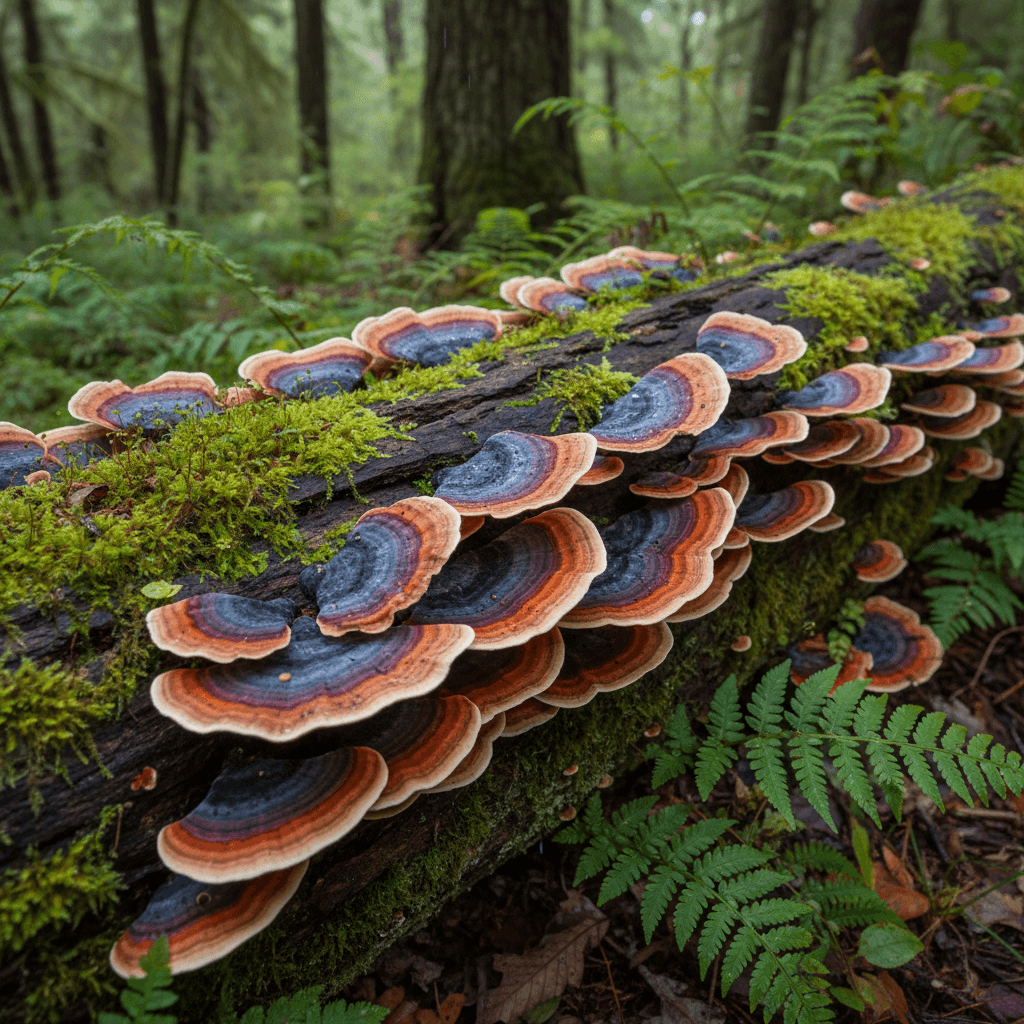
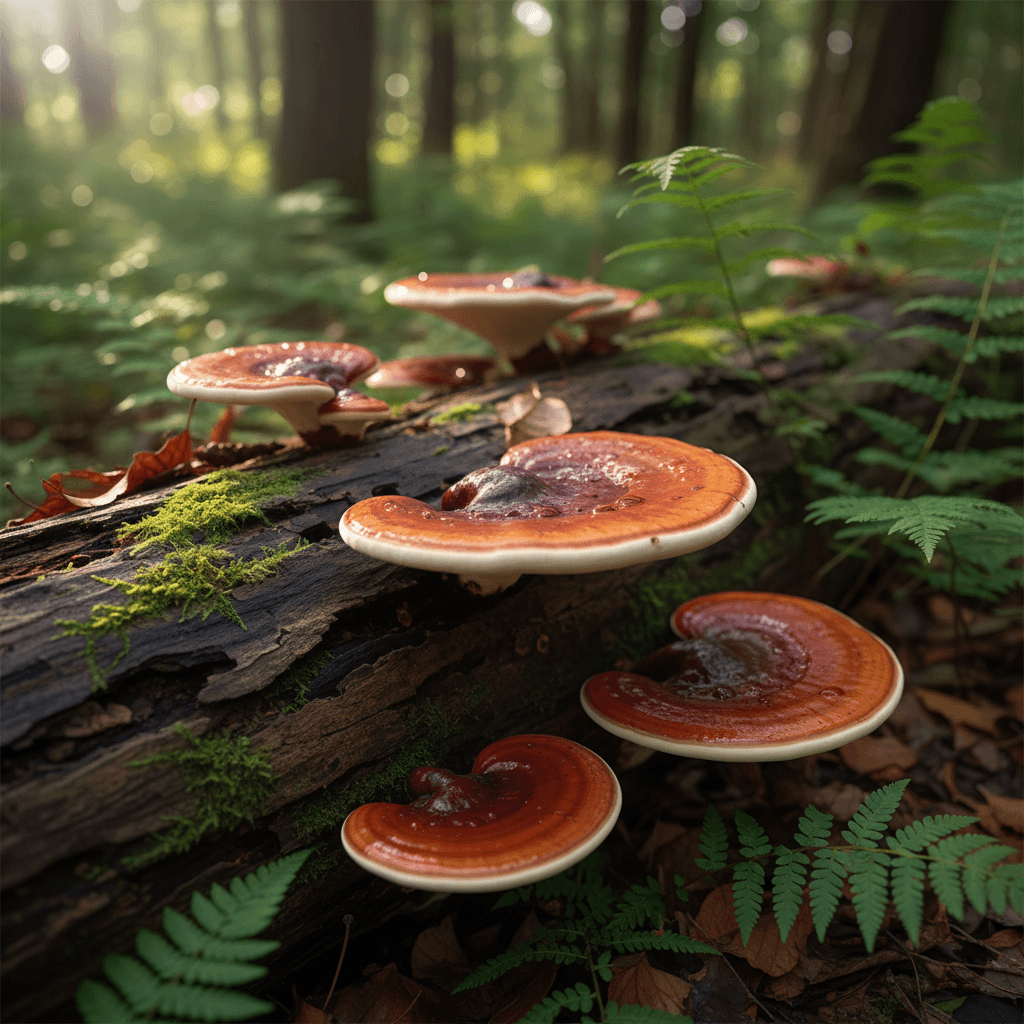
Reishi is a woody, shelf-like mushroom that grows on hardwood trees in humid Asian climates. Known as Lingzhi in Chinese ("spirit plant") and Reishi in Japanese ("divine mushroom"), it's been documented in medical texts for millennia.
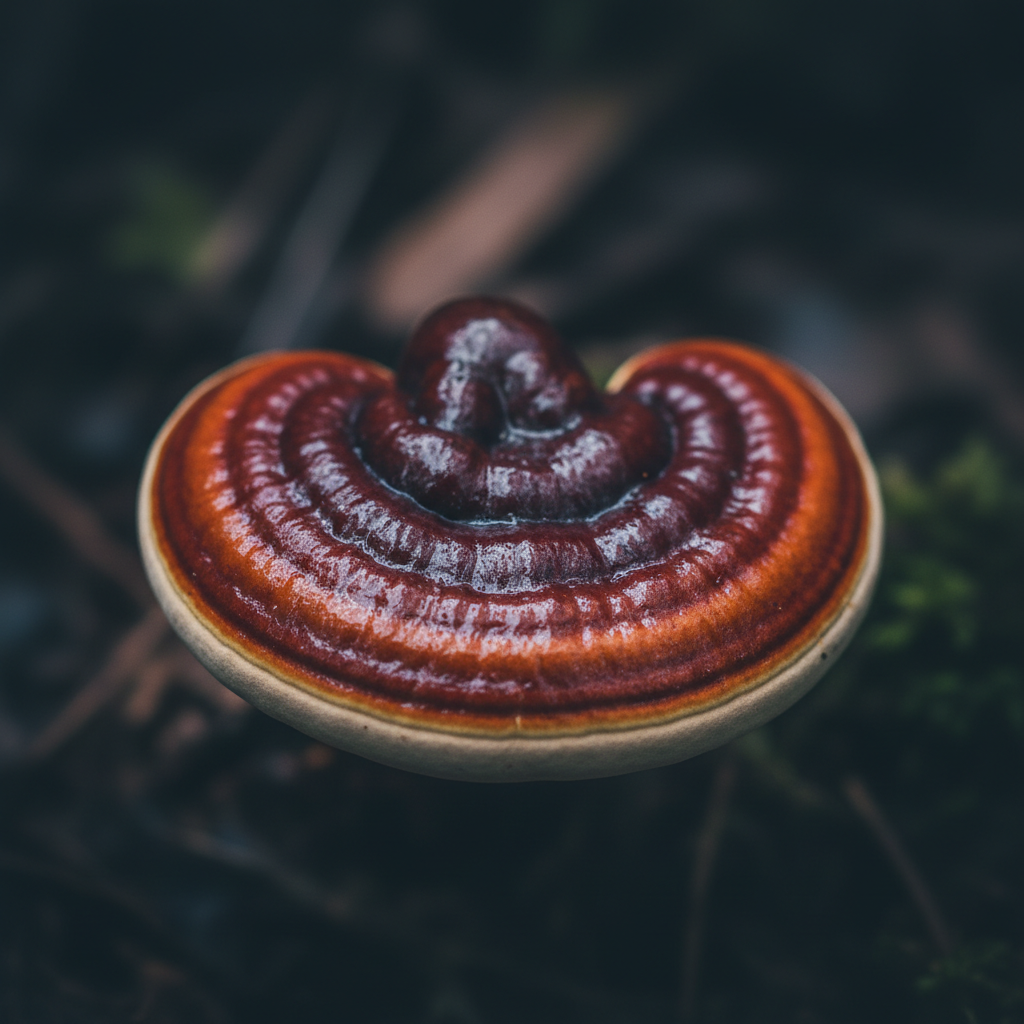
The mushroom has a distinctive kidney-shaped cap with a shiny, lacquered appearance—usually reddish-brown, though color varies by species. It's far too tough and bitter to eat directly, so it's traditionally consumed as a tea or, more commonly today, as a concentrated extract.
Reishi contains over 400 bioactive compounds, including:
- Triterpenes (ganoderic acids): Bitter compounds responsible for many calming effects
- Beta-glucans: Polysaccharides that support immune function
- Polysaccharides: Complex sugars with various biological activities
- Sterols: Plant compounds with hormonal and anti-inflammatory effects
The triterpenes are particularly relevant for sleep and stress—they're what give Reishi its distinctive bitter taste and its calming properties.

How Reishi Promotes Calm and Sleep
Reishi works through multiple mechanisms that collectively support relaxation and sleep quality.
1. GABA Pathway Enhancement
GABA (gamma-aminobutyric acid) is your brain's primary inhibitory neurotransmitter—it's essentially the "brakes" of your nervous system. When GABA activity increases, neural firing slows down, promoting relaxation and sleep.
Reishi's triterpenes (ganoderic acids) interact with GABA-A receptors in the brain. Research published in Pharmacology, Biochemistry, and Behavior found that Reishi extract potentiates sleep via a GABAergic mechanism—essentially, it enhances your brain's natural calming signals.
This is similar to how prescription sleep medications work, but Reishi's effect is gentler and doesn't cause the same dependency or grogginess.
2. HPA Axis Regulation
The HPA (hypothalamic-pituitary-adrenal) axis is your body's central stress response system. When you perceive a threat, this system triggers cortisol release, preparing you to fight or flee.
Problems arise when the HPA axis stays activated chronically—common in modern life with constant work pressure, financial stress, and digital overload. Chronic HPA activation leads to anxiety:
- Elevated cortisol (especially at night, when it should be low)
- Difficulty falling asleep
- Waking during the night
- Feeling "tired but wired"
- Anxiety and irritability
As an adaptogen, Reishi helps regulate the HPA axis. A 2024 study found that Reishi extract (2g/day) was associated with reduced cortisol and improved fatigue and sleep outcomes over eight weeks. By normalizing stress hormone patterns, Reishi addresses a root cause of sleep problems rather than just masking symptoms.
3. Parasympathetic Nervous System Support
Your autonomic nervous system has two branches:
- Sympathetic: "Fight or flight"—increases heart rate, tenses muscles, heightens alertness
- Parasympathetic: "Rest and digest"—slows heart rate, relaxes muscles, promotes calm
Reishi's triterpenes support parasympathetic activation, helping shift your nervous system from alert mode to rest mode. This is why many people describe feeling "calm but not sedated" after taking Reishi—it's not forcing sleep, it's removing barriers to natural relaxation.
4. Anti-Inflammatory Effects
Chronic inflammation is increasingly linked to sleep disorders. Inflammatory cytokines can disrupt sleep architecture and make it harder to achieve restorative deep sleep.
Reishi's compounds have documented anti-inflammatory effects, potentially improving sleep quality by reducing this interference.
What the Research Shows
Let's examine the actual evidence for Reishi's sleep and stress benefits.
Sleep Quality Research
Animal Studies:
Treatment with Reishi extract for 14 days significantly improved total sleep time, REM sleep time, and non-REM sleep time in rats. The extract also improved GABA-ergic neuron activity in brain regions involved in sleep regulation.
Human Studies:
- A study of 60 chronic insomnia patients showed significant improvements: reduced sleep onset time and increased total sleep duration with Reishi supplementation
- An 8-week study found Reishi extract improved fatigue and sleep outcomes alongside reduced cortisol levels
- A 30-day observational study documented sleep quality improvements with a Reishi-containing supplement
Currently Recruiting:
A clinical trial is currently recruiting participants to evaluate 1:4 Reishi liquid extract effects on sleep duration, onset latency, nighttime awakenings, and stress levels—indicating ongoing scientific interest.
Stress and Anxiety Research
Neurasthenia Study:
A study documented in the International Journal of Medicinal Mushrooms examined Reishi's impact on subjects with neurasthenia (chronic fatigue and mental exhaustion). After 8 weeks of Reishi extract, participants showed significant reductions in fatigue and improvements in subjective well-being.
Animal Anxiety Studies:
- A study in the Journal of Ethnopharmacology found Reishi extract had anxiolytic (anxiety-reducing) effects in maze tests
- Another study found Reishi reduced anxiety and depression-like behaviors in mice exposed to chronic stress
Limitations of Current Evidence
Most sleep studies have been conducted in animals or small human groups. While results are promising and align with traditional use, larger randomized controlled trials are needed to establish definitive claims about Reishi and sleep in humans.
The evidence is stronger for Reishi's stress-reduction effects, with more human data available.
Who Should Consider Reishi for Sleep?
Based on the research, Reishi may be particularly helpful for:
Stress-Related Sleep Issues
If your sleep problems stem from an overactive mind, chronic stress, or difficulty "switching off" at night, Reishi's HPA axis regulation and parasympathetic support may address the root cause.
"Tired but Wired" Syndrome
That state where you're exhausted but your nervous system won't settle down—often characterized by elevated evening cortisol. Reishi's adaptogenic effects can help normalize this pattern over time.
Anxiety Affecting Sleep
Generalized anxiety that interferes with sleep may respond to Reishi's GABAergic effects. It's not a replacement for anxiety treatment but may complement other approaches.
Light Sleepers
Those who wake easily throughout the night may benefit from Reishi's effects on sleep architecture, potentially improving continuity.
Shift Workers and Irregular Schedules
Reishi's effects on circadian rhythm regulation may help those with disrupted sleep patterns find better balance.
Who May Not Benefit
Reishi isn't a universal sleep solution:
- Sleep apnea: Requires medical treatment; Reishi won't help
- Acute insomnia: From a specific life event—may resolve on its own
- Sleep issues from other causes: Pain, medications, medical conditions need targeted treatment
- Those seeking immediate effects: Reishi works cumulatively over weeks, not nights
How to Use Reishi for Sleep
Dosage
Based on clinical research and traditional use:
| Form | Typical Dose | Notes |
|---|---|---|
| Dried extract | 1.5-3g daily | Most common supplement form |
| Whole mushroom powder | 3-9g daily | Lower potency than extract |
| Tincture | 0.5-2mL daily | Alcohol or glycerin extract |
| Clinical study doses | 1.4-5.4g daily | Divided doses |
For sleep specifically: Many practitioners recommend 1-2g of extract in the evening, 1-2 hours before bed.
Start with lower doses and increase gradually to assess tolerance.
Timing
Unlike stimulating mushrooms (like Lion's Mane or Cordyceps), Reishi is best taken in the evening or before bed. Its calming effects align with natural wind-down rhythms. Learn more about the best time to drink mushroom coffee.
Some people split their dose—taking some in the afternoon to ease the transition from work stress, and more before bed.
Duration
Reishi's effects are cumulative. Most studies showing benefits lasted 4-8 weeks or longer. Don't expect dramatic results after a few days—plan for at least a month of consistent use to evaluate effectiveness.
The good news: Reishi appears safe for long-term use. Extract has been used safely for up to one year in studies.
Quality Matters
Reishi quality varies dramatically. Look for:
- Full spectrum extract: Contains the triterpenes responsible for calming effects
- Dual extraction: Hot water (for polysaccharides) + alcohol (for triterpenes)
- Standardized beta-glucan content: Should be >20%
- Third-party testing: For purity and potency verification
- Bitter taste: Real Reishi extract tastes bitter from the triterpenes—if it doesn't, it may be low quality
Safety and Side Effects
Reishi has a strong safety profile but isn't without considerations.
Generally Well Tolerated
Reishi extract is considered possibly safe for up to one year of continuous use. Most people experience no side effects at recommended doses.
Possible Side Effects
Reported side effects are generally mild:
- Dizziness
- Dry mouth
- Digestive upset (nausea, stomach discomfort)
- Itching or rash (rare)
- Nosebleeds (with long-term high-dose use)
Ironically, some people report insomnia as a side effect—likely from taking too much or taking it at the wrong time. Start low and adjust based on your response.
Precautions and Contraindications
Blood thinners: Reishi may enhance anticoagulant effects. Avoid or consult your doctor if taking warfarin, aspirin, or other blood thinners.
Blood pressure medications: Reishi may lower blood pressure. Use cautiously if you have low blood pressure or take BP medications.
Diabetes medications: Reishi may affect blood sugar. Monitor closely if diabetic.
Immunosuppressants: Reishi modulates immune function and may interfere with immunosuppressive therapy.
Surgery: Stop Reishi at least 2 weeks before scheduled surgery due to bleeding risk.
Pregnancy/breastfeeding: Insufficient safety data. Avoid use.
Liver conditions: Rare cases of liver problems have been reported. Those with liver disease should avoid Reishi or use under medical supervision.
Drug Interactions
Reishi has documented interactions with many medications. If you take prescription drugs, consult your healthcare provider before starting Reishi supplementation.
Reishi vs Other Sleep Supplements
| Supplement | Mechanism | Onset | Best For |
|---|---|---|---|
| Reishi | GABA, HPA axis, adaptogenic | Weeks | Stress-related sleep issues |
| Melatonin | Direct sleep hormone | Minutes | Jet lag, circadian issues |
| Magnesium | GABA, muscle relaxation | Days-weeks | General sleep support |
| Valerian | GABA modulation | 2-4 weeks | Mild insomnia |
| L-Theanine | GABA, alpha waves | 30-60 min | Relaxation, mild calming |
| CBD | Endocannabinoid system | Varies | Anxiety-related sleep |
Reishi stands out for addressing the stress component of sleep problems. It works well combined with other approaches—many people pair Reishi with magnesium or L-theanine for complementary effects.
Combining Reishi with Coffee
This might seem counterintuitive—why combine a calming mushroom with a stimulant?
The rationale:
Morning Reishi + Coffee: The adaptogenic effects of Reishi may smooth caffeine's stimulating effects, reducing jitters while maintaining alertness. This supports stress resilience throughout the day.
Different timing: Caffeine in the morning (for alertness) + Reishi in the evening (for sleep) addresses both ends of the daily cycle.
Long-term adaptogenic support: Even when taken in the morning, Reishi's HPA axis regulation builds over time, improving overall stress response and indirectly supporting better sleep.
Many mushroom coffee products include Reishi as part of a blend—not to make you sleepy, but to provide adaptogenic balance alongside the coffee's energy.
The Bottom Line
Reishi mushroom offers a natural approach to stress-related sleep issues by working with your body's systems rather than overriding them. Its triterpenes enhance GABA activity, regulate stress hormones, and support parasympathetic nervous system function.
What we know:
- Reishi enhances GABA receptor activity (calming effect)
- Adaptogenic properties help regulate HPA axis and cortisol
- Human studies show improvements in fatigue, well-being, and sleep quality
- Safe for long-term use at recommended doses
What we don't know:
- Optimal dosing for sleep specifically
- How individual responses vary
- Long-term effects beyond one year
Who may benefit most:
- Those with stress-related sleep difficulties
- People experiencing "tired but wired" syndrome
- Anyone seeking adaptogenic support for modern life stress
- Those who want natural sleep support without sedation
Reishi isn't a quick fix—it requires consistent use over weeks to months. But for those willing to take a longer-term approach to sleep and stress management, it offers research-backed support that aligns with the body's natural rhythms.
FAQ
When should I take Reishi for sleep?
Most people take Reishi 1-2 hours before bed. Some split their dose between afternoon (for stress transition) and evening (for sleep).
How long until Reishi helps with sleep?
Effects are cumulative. Most studies showing benefits lasted 4-8 weeks. Give it at least a month of consistent daily use.
Can I take Reishi with melatonin?
Generally yes—they work through different mechanisms and may complement each other. Start with lower doses of each to assess combined effects.
Will Reishi make me drowsy during the day?
At normal doses, Reishi promotes calm without sedation. It's not like a sleep medication that causes drowsiness—it helps remove barriers to natural relaxation.
Is Reishi safe to take every night?
Studies show safety for up to one year of daily use. Long-term nightly use appears safe at recommended doses.
Related Reading:
- What Is Mushroom Coffee? Complete Guide
- The 2pm Energy Crash: Why It Happens
- Why Does Coffee Make Me Anxious?
- Lion's Mane for Focus
This article is for informational purposes only and is not medical advice. Reishi is a supplement, not a treatment for sleep disorders. If you have persistent sleep problems, consult your healthcare provider. Do not discontinue prescribed medications without medical guidance.