Nicole DiPietro
Co-Founder & Master Blender
Decaf Mushroom Coffee: All the Benefits Without the Caffeine
Love the idea of mushroom coffee but can't tolerate caffeine? You're not alone. Whether you're caffeine-sensitive, pregnant, nursing, dealing with anxiety, or simply want to enjoy functional mushrooms in the evening, decaf and caffeine-free options exist.
Here's everything you need to know about getting mushroom benefits without the buzz.
Why Caffeine-Free Matters
Who Needs Decaf Options?
Caffeine-sensitive individuals:
- Experience jitters, anxiety, or racing heart from caffeine
- Have trouble sleeping even with morning caffeine
- Feel "wired but tired" from regular coffee
Pregnant or nursing women:
- Health Canada recommends limiting caffeine during pregnancy
- Caffeine passes to breast milk
- Some prefer to avoid it entirely
People with anxiety:
- Caffeine can worsen anxiety symptoms
- May trigger panic attacks in sensitive individuals
- Even decaf can be problematic for some
Those with certain health conditions:
- Heart arrhythmias
- High blood pressure
- Acid reflux (caffeine relaxes lower esophageal sphincter)
- Insomnia or sleep disorders
Evening use:
- Want mushroom benefits before bed
- Reishi is particularly suited for evening
- Don't want sleep disruption

Decaf vs. Caffeine-Free: What's the Difference?
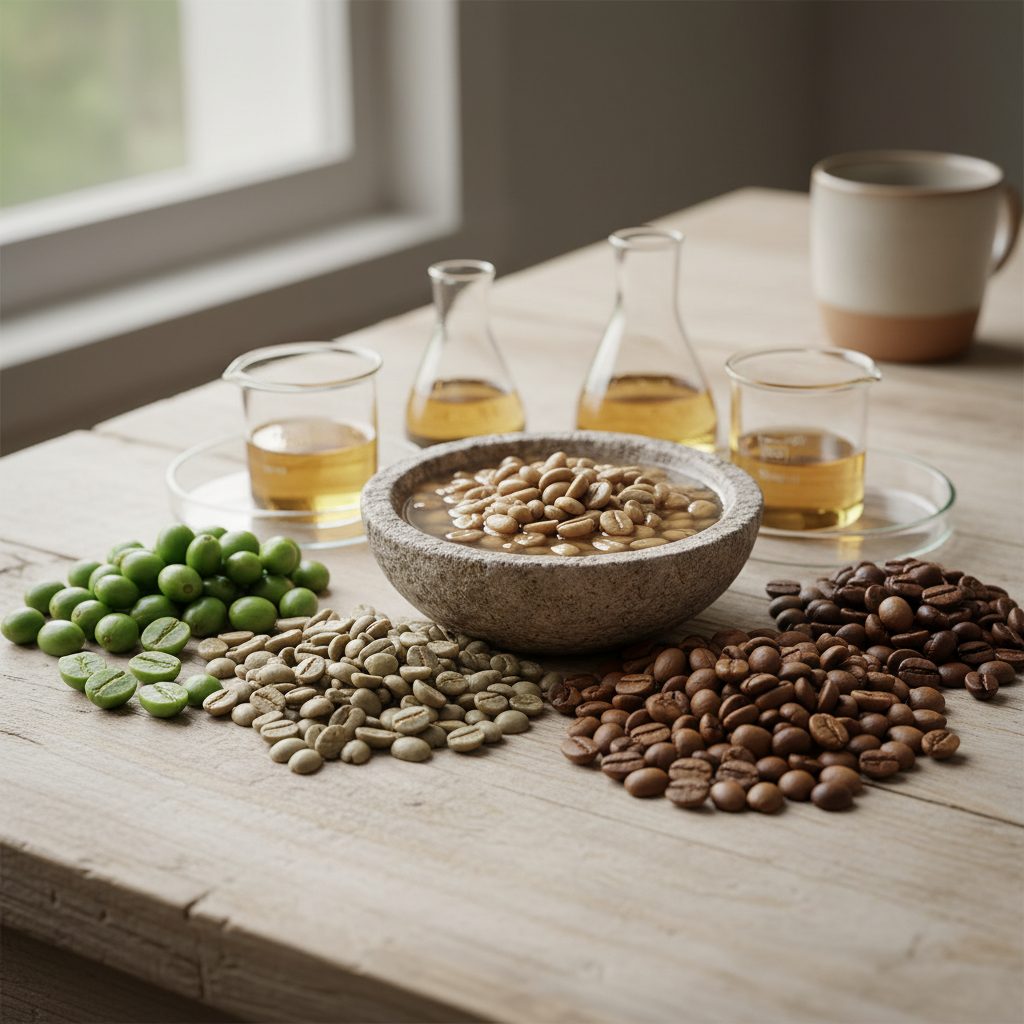
Decaf Coffee
What it is:
- Regular coffee with most caffeine removed
- Still contains 2-15mg caffeine per cup (vs. 95mg in regular)
- Retains coffee flavor and most compounds
Decaffeination methods:
- Swiss Water Process: Chemical-free, water-based
- CO2 Process: Uses pressurized carbon dioxide
- Chemical solvents: Some methods use methylene chloride or ethyl acetate
For mushroom coffee: Look for decaf mushroom coffees that specify Swiss Water Process for cleanest option.
Caffeine-Free Alternatives
What they are:
- Beverages that never contained caffeine
- Zero caffeine (not even trace amounts)
- Include herbal teas, mushroom elixirs, and coffee alternatives
Options include:
- Pure mushroom powders/elixirs
- Mushroom hot chocolate
- Mushroom chai (herbal, not black tea)
- Roasted grain beverages with mushrooms
Decaf Mushroom Coffee Options
Commercial Products
Several brands offer decaf mushroom coffee:
What to look for:
- Swiss Water Process decaffeination
- Full spectrum dual-extracted mushroom extracts
- Stated mushroom amounts per serving
- Quality coffee beans (Arabica preferred)
Typical caffeine content:
- 5-15mg per serving (vs. 95mg in regular)
- Some people sensitive to even this amount
Making Your Own Decaf Mushroom Coffee
Method 1: Add mushrooms to decaf coffee
- Buy quality decaf coffee
- Add mushroom powder (Lion's Mane, Chaga, etc.)
- Control both caffeine and mushroom levels
Method 2: DIY blend
- 1 cup decaf coffee
- 1/2 tsp Lion's Mane powder
- 1/4 tsp Chaga powder
- Blend or whisk well
Tips:
- Use hot water extraction powders (better dissolution)
- Start with less mushroom powder, increase gradually
- Store mushroom powders properly (cool, dry, dark)
Completely Caffeine-Free Options
Mushroom Elixirs
What they are:
- Pure mushroom extracts in hot water
- No coffee or tea
- Zero caffeine
Best options:
- Lion's Mane elixir: Focus and clarity
- Reishi elixir: Relaxation and sleep support
- Chaga elixir: Antioxidant and immune support
- Blend elixirs: Multiple mushrooms combined
How to prepare:
- Add mushroom powder to hot water
- Stir well or use frother
- Add sweetener and milk if desired
- Enjoy hot or iced
Mushroom Hot Chocolate
Commercial options:
- Several brands make mushroom cacao blends
- Combine functional mushrooms with cacao
- Very low caffeine (cacao has minimal caffeine)
DIY recipe:
- 1 cup hot milk (any kind)
- 1 tbsp raw cacao powder
- 1/2 tsp mushroom powder
- 1 tsp honey or maple syrup
- Pinch of cinnamon
Mushroom Chai
Options:
- Herbal chai (rooibos-based) with mushrooms
- Traditional chai spices + mushroom powder
- Zero caffeine if using herbal base
DIY recipe:
- Steep herbal chai tea bag
- Add 1/2 tsp Reishi powder
- Add milk and sweetener
- Perfect for evening relaxation
Coffee Alternatives with Mushrooms
Roasted grain beverages:
- Dandelion root coffee + mushrooms
- Chicory coffee + mushrooms
- Barley coffee + mushrooms
These taste coffee-like without caffeine.
Benefits You Still Get Without Caffeine
What Mushrooms Provide (Caffeine-Independent)
Lion's Mane:
- NGF stimulation for brain health
- Memory and cognitive support
- Nerve health and protection
Reishi:
- Adaptogenic stress support
- Sleep quality improvement
- Immune modulation
Chaga:
- Antioxidant protection
- Immune support via beta-glucans
- Anti-inflammatory compounds
Turkey Tail:
- Gut microbiome support
- Immune function enhancement
- Prebiotic fiber
Cordyceps:
- Cellular energy (ATP) production
- Oxygen utilization
- Physical endurance support
What You Might Miss (Caffeine-Dependent)
Immediate alertness:
- Caffeine blocks adenosine (drowsiness)
- Provides quick mental boost
- Creates familiar "coffee" feeling
However:
- Many find mushroom benefits adequate without caffeine
- Clear-headed energy vs. stimulated energy
- No crash to deal with later
Best Mushrooms for Specific Times
Morning (Caffeine-Free)
Lion's Mane:
- Supports focus for the day
- Clear-headed cognitive support
- Pairs well with breakfast
Cordyceps:
- Natural energy without stimulation
- Good before exercise
- Supports daily vitality
Afternoon
Chaga:
- Sustained energy support
- Antioxidant protection
- Won't affect evening sleep
Lion's Mane:
- Continued focus support
- Afternoon mental clarity
- Safe for caffeine-sensitive
Evening
Reishi:
- Calming and relaxing
- Supports sleep quality
- Wind-down ritual support
Turkey Tail:
- Gentle gut support
- Immune benefits while you sleep
- Non-stimulating
Making the Transition
From Regular Coffee to Decaf Mushroom Coffee
Week 1:
- Replace one cup of regular coffee with decaf mushroom coffee
- Keep other cups regular
- Note how you feel
Week 2:
- Replace second cup with decaf mushroom
- Or go full decaf if Week 1 went well
- Expect some caffeine withdrawal (headaches, fatigue)
Week 3:
- Fully transitioned to decaf mushroom coffee
- Withdrawal symptoms should subside
- Notice mushroom benefits emerging
From Regular Coffee to Caffeine-Free
More gradual approach needed:
Week 1: Switch to half-caf mushroom coffee
Week 2: Switch to decaf mushroom coffee
Week 3: Reduce to half-serving decaf
Week 4: Transition to caffeine-free mushroom elixir
Managing withdrawal:
- Expect headaches, fatigue, irritability
- Stay hydrated
- Get extra sleep
- Consider short-term pain reliever for headaches
Decaf Mushroom Coffee for Specific Situations
Pregnancy and Nursing
Health Canada guidelines:
- Limit caffeine to 300mg daily during pregnancy
- Many prefer to minimize or avoid entirely
- Swiss Water Process decaf is safest option
Recommendations:
- Choose Swiss Water Process decaf mushroom coffee
- Or use caffeine-free mushroom elixirs
- Consult healthcare provider about specific mushrooms
- Lion's Mane and Chaga generally considered safe
Anxiety and Panic Disorders
Why caffeine is problematic:
- Stimulates fight-or-flight response
- Can trigger panic attacks
- Increases cortisol and adrenaline
Better options:
- Caffeine-free Reishi elixir (calming)
- Lion's Mane in non-caffeinated form
- Avoid even decaf if very sensitive
Sleep Disorders
Why caffeine matters:
- Caffeine has 5-6 hour half-life
- Even morning caffeine affects sleep architecture
- Decaf still contains some caffeine
Best approach:
- Caffeine-free mushroom options
- Reishi in evening for sleep support
- Lion's Mane before noon only (even without caffeine, some find it activating)
Heart Conditions
Concerns:
- Caffeine can raise heart rate and blood pressure
- May trigger arrhythmias in some people
Safe approach:
- Discuss with cardiologist
- Swiss Water Process decaf or caffeine-free
- Start with very small amounts
- Monitor response
Quality Matters More Without Caffeine
What to Look For
Mushroom quality:
- Full spectrum dual-extracted mushroom extracts
- Hot water or dual extraction
- Beta-glucan content listed
- Third-party tested
Decaffeination method:
- Swiss Water Process (chemical-free)
- CO2 process (also clean)
- Avoid chemical solvent methods
Coffee quality (if included):
- Organic preferred
- Single-origin or quality blend
- Recent roast date
Why Quality Matters More
Without caffeine providing an obvious "boost," you're relying entirely on mushroom benefits. Low-quality mushroom products may not deliver noticeable effects, leading to disappointment.
Invest in quality to actually feel the benefits.
Frequently Asked Questions
Will I get the same benefits from decaf mushroom coffee?
Mushroom benefits are caffeine-independent. You'll get the same adaptogenic, cognitive, and immune support. You'll just miss the immediate alertness that caffeine provides.
Is decaf mushroom coffee completely caffeine-free?
No—decaf coffee retains 2-15mg caffeine per cup. If you need zero caffeine, choose mushroom elixirs or completely caffeine-free options.
Can I drink decaf mushroom coffee while pregnant?
Most healthcare providers consider moderate decaf consumption safe during pregnancy. However, consult your provider about mushroom supplements specifically, as research is limited.
Will I experience withdrawal switching to decaf?
Yes, if you currently drink regular coffee. Expect 1-2 weeks of headaches, fatigue, and possible irritability. Tapering gradually reduces symptoms.
Does decaf mushroom coffee taste different?
Slightly. Decaf coffee can taste slightly flatter than regular. Quality decaf minimizes this difference. The mushroom taste remains the same.
When should I drink decaf mushroom coffee?
Anytime! Without significant caffeine, you can enjoy it morning, afternoon, or evening. For evening, consider Reishi-focused blends.
The Bottom Line
You don't need caffeine to benefit from functional mushrooms. Whether you choose:
- Decaf mushroom coffee (minimal caffeine, coffee ritual intact)
- Mushroom elixirs (zero caffeine, pure mushroom benefits)
- Mushroom hot chocolate (enjoyable evening treat)
- DIY combinations (customize to your preferences)
...you can still access the cognitive, immune, and adaptogenic benefits that make mushroom coffee valuable.
For the caffeine-sensitive, pregnant, nursing, anxious, or anyone wanting evening mushroom rituals—there's an option that works for you.
The mushrooms are the star. The caffeine is optional.
Related Reading: