
Shyne Coffee Team
Content Team
Third-Party Testing for Mushroom Coffee: How to Verify Quality Claims
When you're investing in mushroom coffee for your daily wellness routine, you want to know exactly what you're getting. With the mushroom coffee market growing rapidly, quality varies dramatically between brands. Some companies make bold claims about potency and purity, while others remain mysteriously quiet about their testing protocols. The difference between high-quality mushroom coffee and questionable products often comes down to one crucial factor: third-party testing. Understanding how to read and interpret these test results can help you make informed decisions about which mushroom coffee deserves a permanent spot in your morning routine.
What is Third-Party Testing for Mushroom Coffee?
Third-party testing means an independent laboratory—not affiliated with the manufacturer—analyzes the product for various quality markers. Unlike internal testing conducted by companies themselves, third-party testing provides unbiased results that consumers can trust.
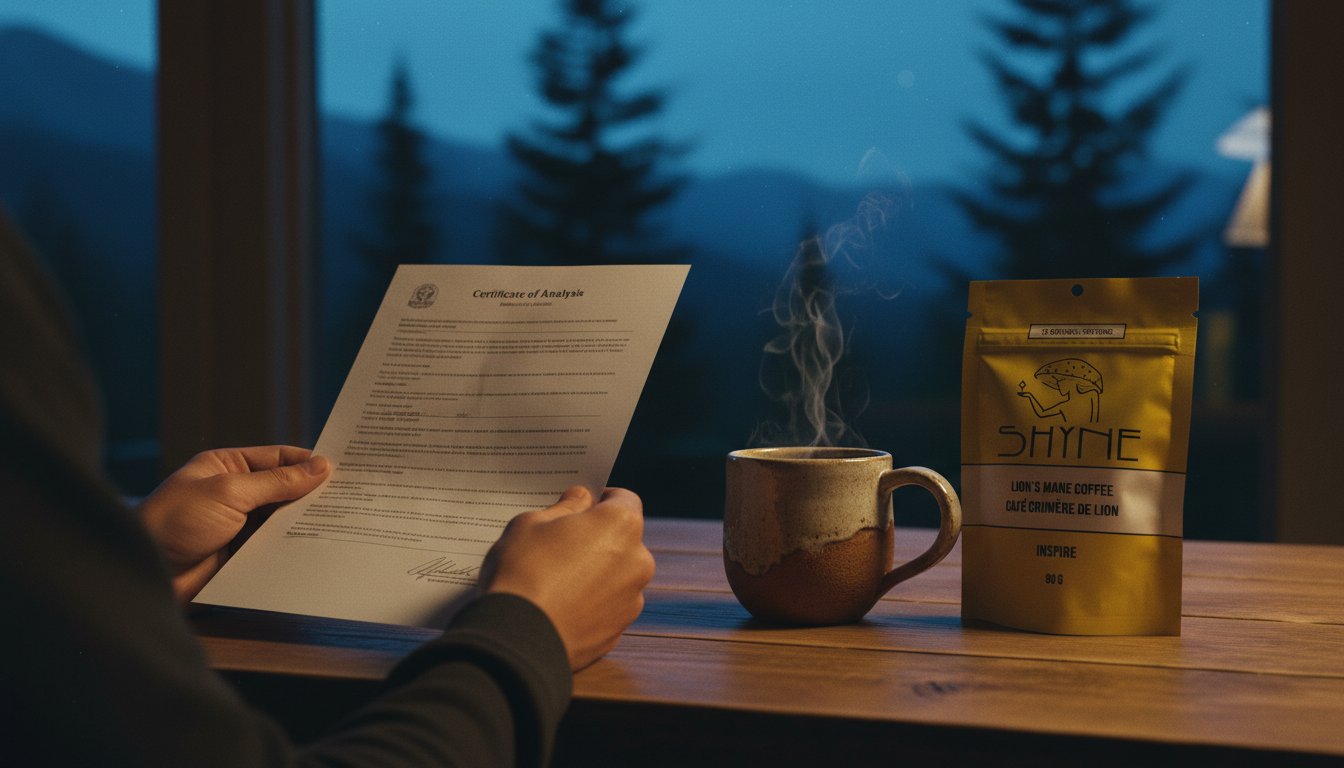
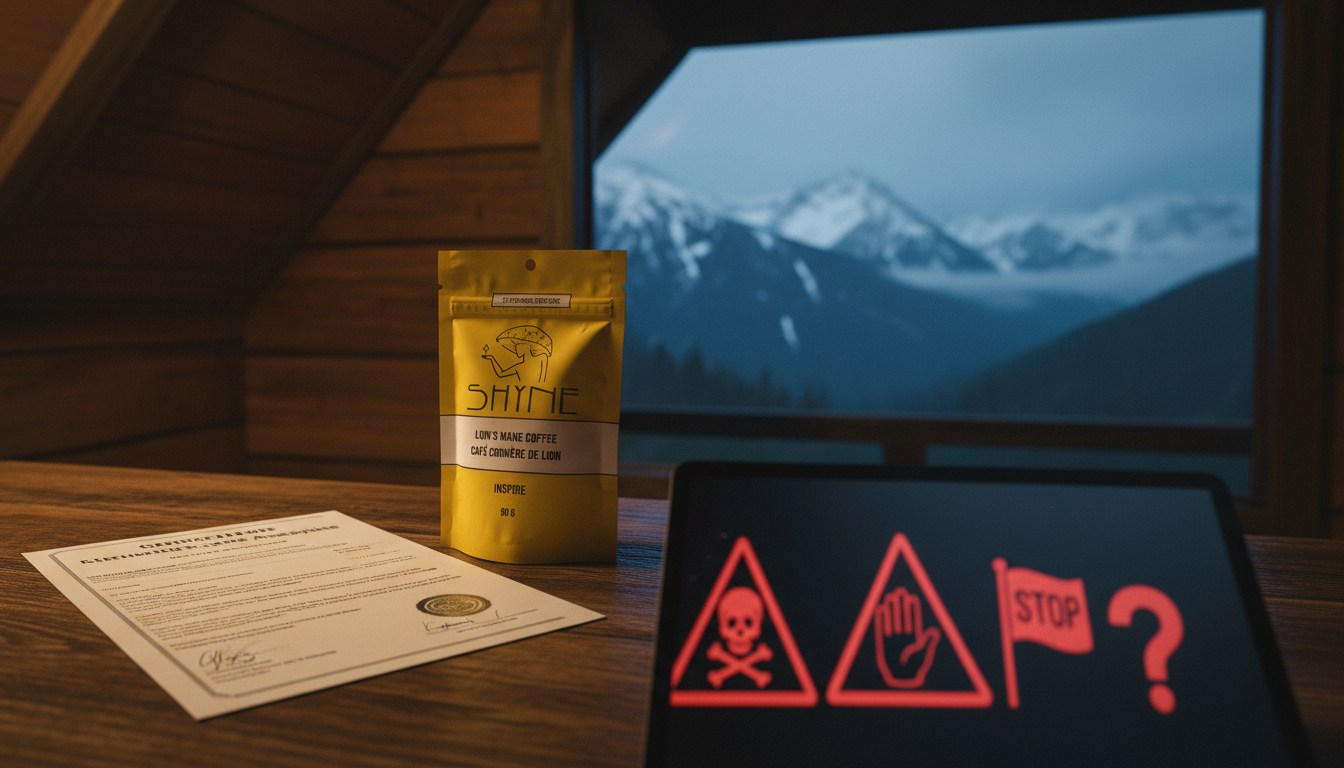
For mushroom coffee, this testing typically covers several critical areas: active compound content (like beta-glucans), heavy metal contamination, pesticide residues, microbial safety, and overall purity. The laboratory creates a Certificate of Analysis (COA) documenting their findings, which reputable companies make available to customers.
Think of it as an independent inspector examining your future home purchase. Just as you wouldn't rely solely on the seller's word about the property's condition, you shouldn't trust a mushroom coffee company's quality claims without seeing third-party verification. The testing lab has no financial incentive to skew results—their reputation depends on accuracy and honesty.
This independent verification becomes especially important given the complexity of mushroom extracts. Full spectrum extracts containing both fruiting body and mycelium require sophisticated testing methods to accurately measure active compounds. Without proper testing, you might be paying premium prices for products with minimal active ingredients.
Essential Quality Markers to Look for in COAs
When examining a Certificate of Analysis for mushroom coffee, several key markers indicate quality and safety. Understanding these markers helps you distinguish between genuinely high-quality products and marketing fluff.
Beta-glucan content represents one of the most important quality indicators. Beta-glucans are the primary bioactive compounds responsible for mushrooms' wellness benefits. Quality mushroom coffee should contain significant beta-glucan levels—typically 20-30% or higher in the extract. However, different extraction methods and mushroom parts yield varying beta-glucan concentrations.
Heavy metals testing checks for dangerous contaminants like lead, mercury, cadmium, and arsenic. Mushrooms naturally absorb compounds from their growing environment, making this testing crucial. Acceptable levels vary by regulatory standards, but quality products should show heavy metal content well below safety thresholds.
Microbial testing screens for harmful bacteria, yeast, mould, and pathogens. This testing ensures the product won't make you sick and indicates proper manufacturing hygiene. Look for results showing acceptable levels of total aerobic bacteria, yeast, mould, E. coli, and Salmonella.
Pesticide residue testing becomes particularly important for products claiming organic status or clean growing practices. Even non-organic products should show minimal pesticide residues, indicating responsible sourcing and processing.
How to Read and Interpret Certificates of Analysis
Certificates of Analysis can appear intimidating with their technical language and numerical data, but breaking them down systematically makes them accessible to everyday consumers.
Start by verifying the testing lab's credentials. Reputable labs display accreditation numbers and contact information clearly. The COA should match the specific product batch you're purchasing—check lot numbers and testing dates to ensure relevance.
The methodology section describes how tests were conducted. Look for established testing methods like HPLC (High-Performance Liquid Chromatography) for beta-glucan analysis or ICP-MS (Inductively Coupled Plasma Mass Spectrometry) for heavy metals. These represent gold-standard testing approaches.
Results sections present actual findings alongside acceptable limits. Pay attention to units of measurement—parts per million (ppm) for contaminants, percentages for active compounds. Results should clearly indicate "pass" or "fail" for each parameter, though some labs use "compliant" or "within specifications."
Don't ignore the testing date. Fresh COAs (within the past year) indicate regular quality monitoring. Outdated certificates might not reflect current production standards. As covered in our guide to choosing mushroom coffee, consistent testing demonstrates manufacturer commitment to quality.
Sample identification should match the product exactly. Generic COAs covering multiple products or vague sample descriptions might indicate less rigorous quality control.
Red Flags: What Poor Quality Testing Looks Like
Recognizing poor quality testing helps you avoid disappointing purchases and potentially unsafe products. Several warning signs indicate inadequate or questionable testing practices.
Missing or outdated COAs represent the biggest red flag. Companies genuinely committed to quality proudly display recent test results. Excuses like "proprietary information" or "available upon request only" often hide quality issues.
Incomplete testing panels suggest corners being cut. Quality mushroom coffee should undergo comprehensive testing—not just one or two parameters. Testing only for heavy metals while ignoring microbial safety or active compound content leaves significant gaps.
Suspiciously perfect results can indicate fabricated or manipulated data. Real testing produces some variation in results. Every parameter showing exactly at detection limits or perfect round numbers might suggest doctored certificates.
Generic or template COAs lacking specific product identification raise authenticity questions. Legitimate testing certificates reference specific lot numbers, production dates, and detailed product descriptions.
Unverifiable testing labs present another concern. You should be able to contact the testing facility independently to verify certificate authenticity. Labs without clear contact information or questionable credentials might not provide reliable results.
Some companies claim proprietary extraction methods make standard testing irrelevant. While innovative processing deserves consideration, it doesn't excuse lack of transparency. Our complete beginner's guide to mushroom coffee emphasizes how transparency builds consumer confidence.
Understanding Full Spectrum Testing vs. Single Component Analysis
The complexity of mushroom extracts requires sophisticated testing approaches that many consumers don't fully understand. Full spectrum extracts containing both fruiting body and mycelium present unique testing challenges compared to single-component products.
Full spectrum testing analyzes the complete range of bioactive compounds present in mushroom extracts. This comprehensive approach recognizes that mushroom benefits likely result from compound synergy rather than isolated ingredients. Beta-glucans, triterpenes, polysaccharides, and other compounds work together to provide wellness benefits.
Single component analysis focuses on one specific compound, often beta-glucans. While useful for standardization, this narrow approach might miss important bioactive compounds or fail to capture the product's full potential.
Full spectrum dual extraction—using both water and alcohol—creates complex compound profiles requiring advanced testing methods. Water extraction captures water-soluble compounds like beta-glucans, while alcohol extraction pulls fat-soluble triterpenes and other compounds. Testing must account for both fractions to accurately assess quality.
Mycelium and fruiting body components contribute different compound profiles to full spectrum extracts. Rather than viewing this as a quality compromise, understand that comprehensive extraction utilizes the entire mushroom's potential. Quality testing should verify beneficial compounds from both sources rather than dismissing mycelium contributions.
For our Turkey Tail Coffee and other Shyne products, full spectrum dual extraction delivers 500mg of comprehensively tested extract per serving. This approach ensures you receive verified amounts of diverse bioactive compounds, not just isolated beta-glucans.
Why Shyne Coffee's Testing Standards Matter
At Shyne Coffee, we understand that quality claims mean nothing without verification. That's why every batch of our mushroom coffee undergoes rigorous third-party testing to ensure you receive exactly what we promise—500mg of full spectrum dual-extracted mushroom extract per serving.
Our commitment to transparency means we test for everything that matters: beta-glucan content to verify bioactive compounds, heavy metals to ensure safety, and microbial contamination to guarantee product integrity. We use full spectrum extracts containing both fruiting body and mycelium because we believe in capturing the complete range of beneficial compounds nature provides.
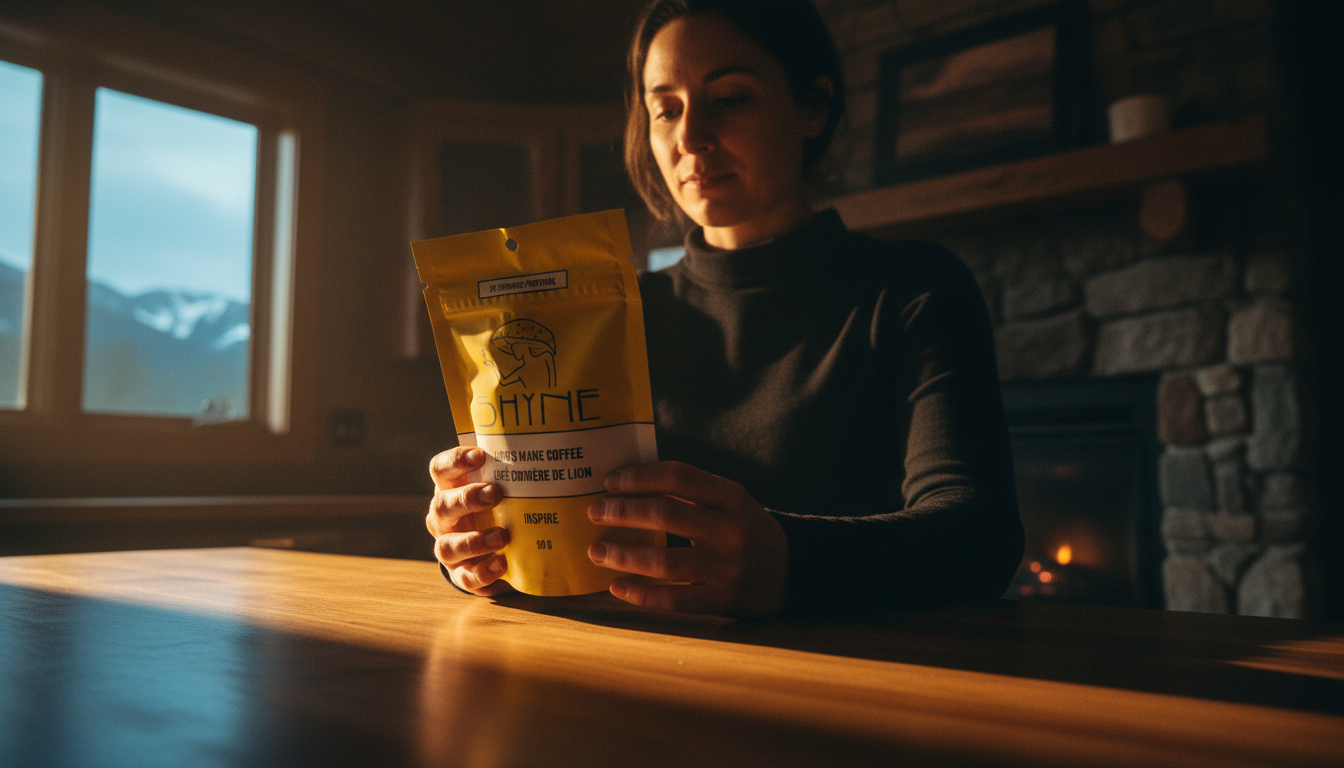
Our Lion's Mane Coffee exemplifies this commitment with consistent third-party verification of its focus-supporting compounds. Each batch receives individual testing rather than relying on periodic spot checks or generic certificates. This batch-specific approach ensures quality consistency whether you're ordering your first bag or your fiftieth.
The dual extraction process we employ—combining water and alcohol extraction methods—creates complex compound profiles that require sophisticated testing protocols. We work with accredited laboratories using validated methods to ensure accurate results you can trust.
Whether you're trying our Starter Pack to explore different mushroom benefits or committing to a subscription, you deserve confidence in your purchase. Our testing standards reflect our Canadian values of honesty, quality, and genuine care for customer wellbeing.
Taking Action: Evaluating Your Current Mushroom Coffee
Now that you understand third-party testing importance, take a moment to evaluate your current mushroom coffee choice. Does your brand provide accessible COAs? Can you verify their testing lab's credentials? Do the certificates cover comprehensive quality markers or just basic requirements?
If you're discovering gaps in your current product's testing transparency, consider exploring options that prioritize verification and quality. Try our warming winter chai mushroom coffee recipe using properly tested ingredients, or browse our full range of rigorously tested mushroom coffees.
Remember, premium prices should reflect premium quality—and quality requires proof through independent testing. Your morning ritual deserves products that deliver on their promises, backed by transparent verification you can understand and trust.
This content is for informational purposes only and is not a substitute for professional medical advice.