

Shyne Coffee Team
Content Team
Mushroom Coffee and Blood Sugar: A Careful Label and Caffeine Guide
Blood sugar is medical territory. A coffee product should not be presented as medical nutrition care or as a substitute for qualified guidance.
That said, people who watch sugar intake still need practical label information. Mushroom coffee can be compared by caffeine amount, added sugar, serving size, creamer ingredients, and preparation choices.
A Careful Note Before You Read
This article is educational. It discusses coffee, caffeine, added sugar, label reading, and mushroom ingredients in general. It is not medical advice, and it is not a claim that Shyne products diagnose, treat, prevent, or cure any condition.
If you have diabetes, prediabetes, reactive hypoglycemia, blood sugar concerns, medication questions, pregnancy-related glucose questions, or symptoms that worry you, speak with a qualified healthcare professional before changing your routine.
Start With the Label
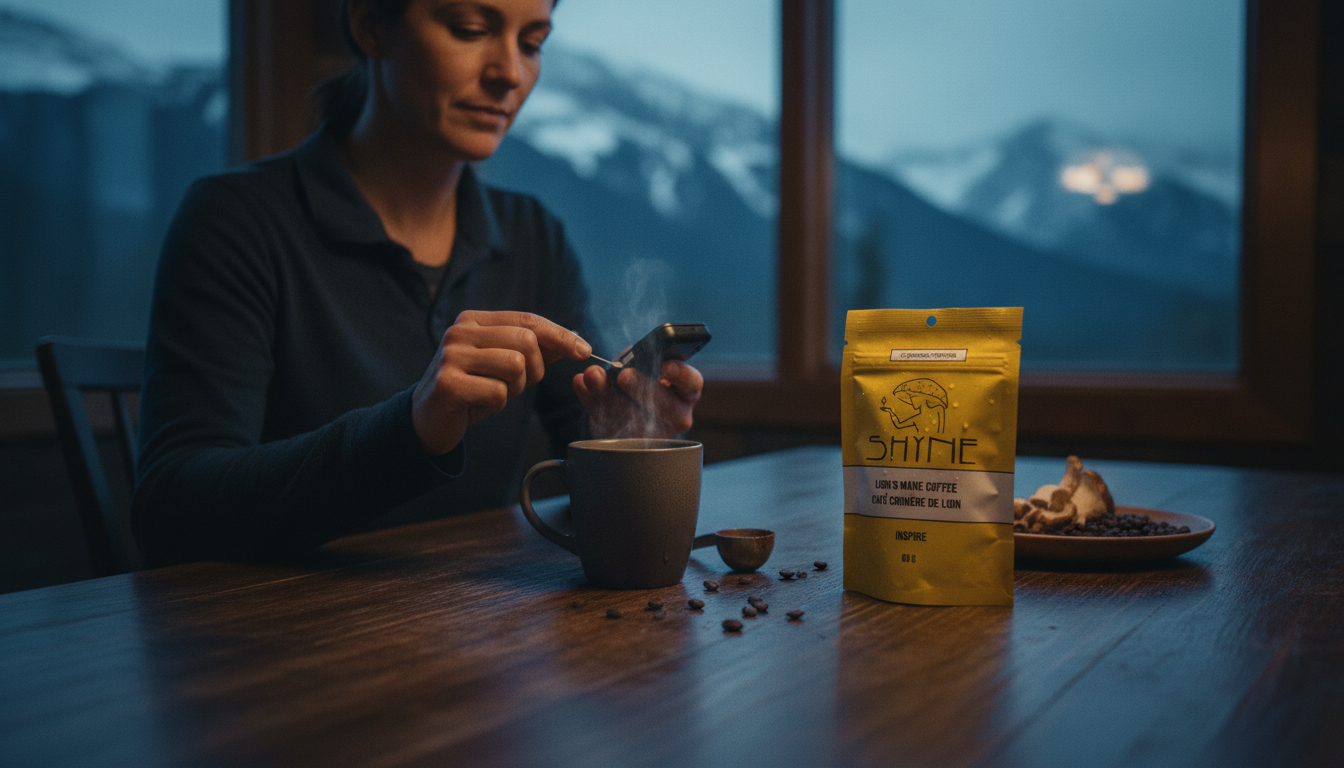
The safest way to compare coffee products is to read the label carefully.
Check:
| Label detail | Why it matters |
|---|---|
| Added sugar | Shows grams per serving |
| Serving size | Keeps comparisons fair |
| Caffeine amount | Helps compare with regular coffee and energy drinks |
| Creamer ingredients | May affect calories, texture, and taste |
| Sweeteners | Helps identify sugar, maple sugar, stevia, monk fruit, or artificial sweeteners |
| Mushroom extract amount | Shows what is included per serving |
| Preparation directions | Helps avoid accidentally doubling a serving |
These are product facts. They do not require blood-sugar claims.
Coffee, Caffeine, and Personal Response
Caffeine can feel different from person to person. Some people tolerate coffee well. Others notice shakiness, jitters, appetite changes, or discomfort, especially when drinking coffee before food.
If you monitor glucose for medical reasons, follow your clinician's guidance. Do not use a coffee article to make medication or diet decisions.
Practical questions to ask:
- Do you drink coffee before eating?
- How much caffeine is in the serving?
- Do you add sugar or syrup?
- Do you drink more than one serving?
- Are you also drinking energy drinks or sweetened beverages?
- Are symptoms happening often enough to discuss with a clinician?
Mushroom Ingredients: Keep the Claims Narrow
Functional mushrooms are often discussed in research contexts. That does not mean mushroom coffee manages glucose or changes medical outcomes.
| Ingredient | Careful way to describe it |
|---|---|
| Lion's Mane | Mushroom studied in cognitive-function research |
| Chaga | Mushroom discussed in antioxidant-related research and traditional tea use |
| Turkey Tail | Mushroom studied for polysaccharides and microbiome-related topics |
Do not describe a finished coffee product with medical nutrition positioning.
Preparation Choices Matter

A coffee's final nutrition profile depends on what goes into the cup.
Common add-ins to review:
- sugar
- syrups
- sweetened creamers
- whipped toppings
- flavoured milks
- large serving sizes
- extra scoops of powder
A plain coffee, a sweet latte, and a large blended drink are not the same product experience. Compare the full prepared drink, not only the coffee base.
A Simple Coffee Comparison Test
If you want to understand your coffee routine, keep the test practical and non-medical.
For three to five days, track:
| Track | Example |
|---|---|
| Coffee type | Regular coffee, mushroom coffee, decaf, tea |
| Time | Morning, afternoon, evening |
| Food timing | Before food, with food, after food |
| Add-ins | Sugar, creamer, milk, none |
| Serving size | One scoop, two scoops, small mug, large mug |
| Notes | Taste, convenience, jitters, hunger, repeatability |
If you use a glucose monitor or medication, follow professional guidance on how to interpret readings. Do not self-adjust medication based on a coffee test.
Where Shyne Fits
Shyne should be described as mushroom coffee, not as a blood-sugar product.
The safest Shyne details are:
- caffeine amount
- added sugar amount when available
- mushroom extract amount
- ingredient list
- serving size
- flavour notes
- preparation method
- label cautions
If someone chooses Shyne, the reason should be practical: taste, measured caffeine, instant preparation, ingredients, or routine fit.
Do not position Shyne around medical nutrition outcomes or symptom outcomes.
When to Ask a Professional
Speak with a qualified healthcare professional if you:
- have diabetes or prediabetes
- take glucose-lowering medication
- use insulin
- have frequent shakiness, sweating, dizziness, confusion, or faintness
- are pregnant or managing pregnancy-related glucose questions
- are changing diet, caffeine, supplements, or medication routines
- are unsure how to interpret glucose readings
Food and beverage choices can matter, but medical management belongs with qualified care.
Frequently Asked Questions
Does mushroom coffee change glucose readings?
Do not rely on a coffee product for that purpose. Mushroom coffee should be compared by caffeine, added sugar, ingredients, serving size, and preparation.
Is mushroom coffee better than regular coffee for glucose management?
That is a medical-style comparison and depends on the person, the full drink, and the health context. Use label facts and ask a healthcare professional if glucose management matters for you.
What should I check first?
Check added sugar, caffeine amount, serving size, and what you add to the cup.
Can I drink mushroom coffee if I have diabetes?
Ask your healthcare professional, especially if you take medication or monitor glucose. Do not rely on a coffee article for medical guidance.
Do mushroom ingredients replace diet changes?
No. Mushroom ingredients should not be treated as glucose-management tools. Follow qualified nutrition or medical guidance.
The Bottom Line
Blood sugar claims need strict boundaries. Mushroom coffee should not be promoted with medical nutrition promises.
The useful consumer takeaway is simpler: read the label, check caffeine, check added sugar, compare serving sizes, and look at what you add to the cup.
Where Shyne fits: Shyne can be compared by caffeine amount, ingredients, mushroom extract amount, flavour, serving size, and preparation. It should stay in the coffee lane.
Related Reading:
- What Is Mushroom Coffee?
- Mushroom Coffee and Midlife Routines
- The Best Time to Drink Mushroom Coffee
- Coffee Without Jitters
This content is for informational purposes only and is not a substitute for professional medical advice.