
Andrew Langevin
Co-Founder, Shyne Coffee
How to Add Mushroom Adaptogens to Your Cafe Menu: The Complete Guide for Coffee Shop Owners
Functional mushrooms are showing up on cafe menus across North America. Lion's Mane lattes, Chaga chai, Cordyceps matcha. What started as a niche wellness trend has become a genuine revenue opportunity for independent coffee shops.
But most cafe owners have the same questions: How do you actually prepare it? What does it taste like? Will customers pay for it? And is it worth the shelf space?
This guide covers everything. No fluff, no hype. Just the practical details you need to decide if mushroom adaptogens belong on your menu, and how to add them if they do.

What Are Mushroom Adaptogens?
Adaptogens are natural compounds that help your body manage stress. Functional mushrooms like Lion's Mane, Chaga, Reishi, Turkey Tail, and Cordyceps have been used in traditional medicine for centuries. They are not psychoactive. They are not magic mushrooms. They are legal, safe, and increasingly mainstream.
Each mushroom offers different benefits:
- Lion's Mane — Focus and cognitive clarity. The most popular variety for morning drinks.
- Chaga — Energy and immune support. Packed with antioxidants.
- Turkey Tail — Gut health and digestion. Rich in prebiotics.
- Reishi — Relaxation and stress reduction. Ideal for evening menus.
- Cordyceps — Physical performance and endurance. Popular with athletes.
The powder form dissolves into drinks and adds minimal taste when used at the right dose.
The Dose: How Much to Use
One gram per drink. That is half a level teaspoon. This dose applies to every mushroom variety and every drink type.
Using more than one gram does not increase the benefit. It just makes the taste more noticeable. Stick to one gram and your customers will barely notice it is there, especially in flavoured drinks like lattes, mochas, and chai.
Each 150g jar contains 150 servings. At 10 drinks per day, one jar lasts about two weeks.
Four Preparation Methods
There is no single right way to add mushroom powder to a drink. The best method depends on the drink type. Here are four approaches that work in a commercial cafe setting.
1. The Froth Method (Best for Hot Drinks)

Add one gram of powder to the milk pitcher before steaming. The heat and agitation from frothing fully incorporates the powder into the milk. This works with steam wands, standalone frothers, and handheld wands.
Best for: Lattes, cappuccinos, golden milk, chai lattes.
2. The Tea Method (Best for Batch Prep)

Make a concentrated mushroom tea and store it in the fridge for up to seven days. This is the fastest method during busy service.
Batch recipe (50 servings):
- Boil 50 ounces of water (about 6 cups)
- Add 50 grams of mushroom powder (1 gram per ounce)
- Simmer for 10 to 15 minutes, stirring occasionally
- Strain through a fine mesh strainer or cheesecloth
- Cool and store in a sealed container in the fridge
- Add one ounce of tea to any drink. That is one serving.
Best for: Everything. Lattes, iced drinks, smoothies, teas. One batch gives you 50 servings ready to pour.
3. The Shake Method (Best for Cold Drinks)

Add one gram of powder directly to the cold drink with milk, sweetener, and ice. Shake vigorously for 10 seconds using a cocktail shaker or any container with a tight lid.
Best for: Iced lattes, iced mochas, cold brew, iced matcha.
4. The Blend Method (Best for Smoothies)
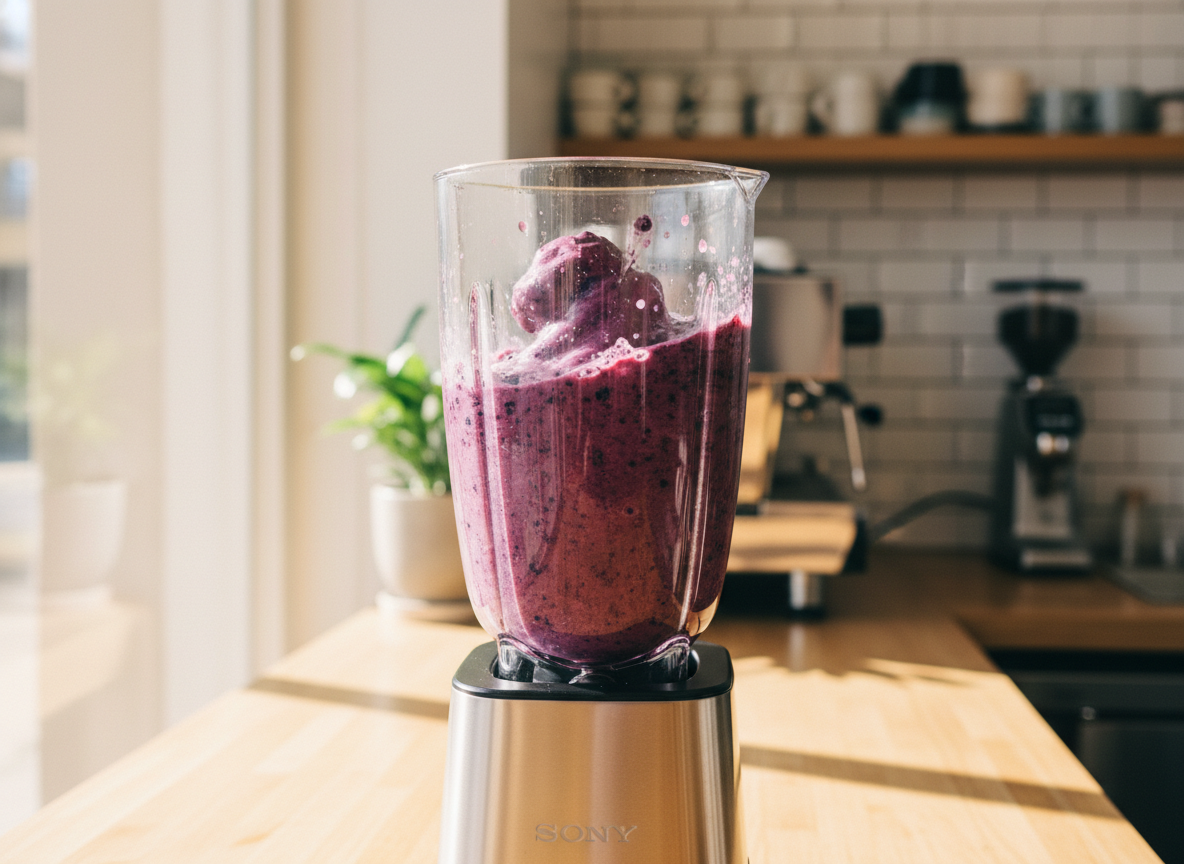
Add one gram of powder to the blender with all other ingredients. Blend for 30 seconds. The blender fully incorporates the powder and the flavour of the other ingredients takes over.
Best for: Smoothies, frappes, protein shakes, blended drinks.

What About Taste?
At one gram, the taste is subtle. There is a mild earthy note, but it is barely noticeable in drinks with milk, chocolate, chai spices, or fruit. Frothing and blending hide it the best.
Drinks like lattes, mochas, chai, cacao drinks, matcha, smoothies, and golden milk are ideal. Plain black coffee or americanos are less ideal because there is nothing to mask the powder.
Be honest with customers. Do not tell them there is zero taste. Tell them it is very subtle and most people do not notice it in a latte. Honesty builds trust and repeat customers.
Five Signature Recipes to Get You Started
These recipes are designed for commercial cafe prep. Each one takes 30 seconds or less of extra time beyond your normal drink preparation.
Think Drink
Lion's Mane for Focus

- Combine cacao, honey, vanilla, and a pinch of cayenne in a cup
- Add 1g Lion's Mane
- Froth oat milk and pour over
- Dust with cacao powder
A rich, spicy cacao drink with zero coffee. Inspired by Mountain Folk Coffee Co. in Banff, Alberta.
Brainstorm
Lion's Mane for Focus
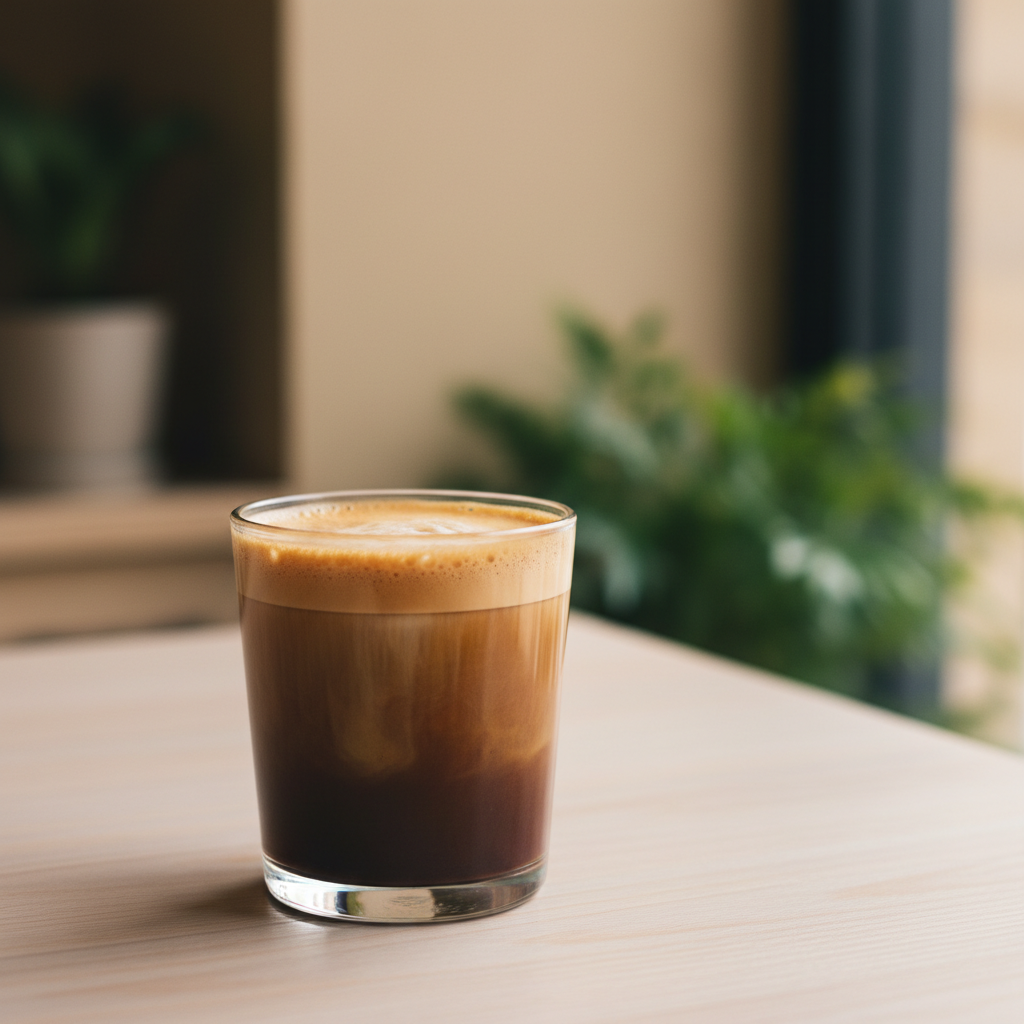
- Pull an espresso shot
- Add cacao and 1g Lion's Mane to the shot, stir
- Froth oat milk with a touch of maple syrup
- Pour over the espresso
The brain booster. Cacao and espresso together completely mask the mushroom powder.
Shield
Chaga for Immunity

- Brew chai concentrate
- Add 1g Chaga
- Froth with milk
- Sweeten with honey to taste
Chai spices are the easiest way to hide mushroom powder. This drink practically sells itself during cold and flu season.
Gut Feeling
Turkey Tail for Gut Health

- Pull espresso with dark chocolate sauce
- Add 1g Turkey Tail and stir to combine
- Froth oat milk and pour over
- Dust with cocoa powder
The chocolate does all the heavy lifting. Customers taste a premium mocha and get gut health benefits.
Second Wind
Cordyceps for Performance

- Whisk ceremonial matcha and 1g Cordyceps with a splash of hot water
- Whisk until smooth with no clumps
- Froth oat milk
- Pour over the matcha base and sweeten with honey
Matcha and Cordyceps together deliver clean, sustained energy. Popular with the fitness crowd.
Pricing: How Much to Charge
Most cafes charge between one and two dollars per mushroom boost. You set the price based on your market.
At wholesale pricing of $0.16 per gram, one serving costs you between 12 and 16 cents. That means your margin on a $1.50 boost is over $1.30 per drink.
If 10 customers per day add a boost, that is $250 to $560 per month in extra revenue with almost no additional labour cost.
Menu Integration: Three Approaches
Option 1: Add-on boost. List "Add a Mushroom Boost +$1-2" on your menu. Let customers choose from Focus (Lion's Mane), Energy (Chaga), Immunity (Turkey Tail), Calm (Reishi), or Performance (Cordyceps).
Option 2: Signature drinks. Add two or three of the recipes above as named menu items at a premium price point.
Option 3: Both. Offer signature drinks plus the boost add-on for any existing drink. This gives customers maximum flexibility and you maximum revenue.
Getting Started
A typical starter kit includes all five mushroom varieties (Lion's Mane, Chaga, Turkey Tail, Reishi, and Cordyceps), a tabletop sign for your counter, a barista training guide, and recipe cards. Some suppliers also list partner cafes on their store locator, which drives foot traffic.
If you want to see what the training experience looks like for your baristas, check out our interactive cafe guide. It walks through everything your team needs to know in a visual, slide-by-slide format they can reference on their phone during service.
Frequently Asked Questions
How long does the powder last?
18 months sealed at room temperature. No refrigeration required.
Is this the same as magic mushrooms?
No. Functional mushrooms like Lion's Mane and Chaga are adaptogens, not psychoactive substances. They are completely legal and safe.
Do I need any special equipment?
No. You can use the equipment you already have: your espresso machine steam wand, a blender, or a shaker. The tea method only requires a pot and a strainer.
Can customers with dietary restrictions have it?
The powder is vegan, gluten-free, and contains no common allergens. It pairs with any milk including oat, almond, soy, and coconut.
What if a customer does not like the taste?
At one gram, most customers will not notice it. If they do, suggest a drink with chocolate or chai spices, or recommend the froth method which incorporates it best. You can also use the tea method, which produces a very clean flavour.
The Bottom Line
Adding mushroom adaptogens to your cafe menu is low risk and high margin. One gram of powder per drink, four simple prep methods, and a price point that customers are happy to pay. The wellness trend is not slowing down, and independent cafes that offer functional add-ons are building loyalty with health-conscious customers.
Start with Lion's Mane. It is the easiest to explain, the most popular, and pairs well with everything on your existing menu.
Want to get set up? Apply to become a partner or explore our interactive barista training guide.