
Shyne Coffee Team
Content Team
How Much Mushroom Extract Is Actually in Your Coffee? A Transparency Guide
When you're sipping your morning mushroom coffee, have you ever wondered exactly how much mushroom extract you're getting? With the mushroom coffee market exploding across Canada and beyond, it's become increasingly important to know what you're actually paying for. The truth is, there's a huge variation in mushroom content between brands – some contain barely a dusting of mushroom powder, while others pack in therapeutic doses that can actually make a difference.
Understanding mushroom dosage isn't just about getting your money's worth (though that's certainly part of it). It's about ensuring you're getting enough active compounds to potentially experience the benefits that drew you to mushroom coffee in the first place. Whether you're looking for mental clarity, immune-related research, or gut health-related research topics, the amount of mushroom extract matters significantly.
Understanding Mushroom Extract vs. Raw Mushroom Powder
Before diving into dosages, it's crucial to understand what type of mushroom ingredient you're actually getting. Not all mushroom products are created equal, and the difference between extract and raw powder is substantial.
Raw mushroom powder is simply dried mushrooms ground into a fine powder. While this might sound natural and appealing, it's actually less bioavailable and potent than extracts. Think of it like the difference between eating a handful of grapes versus taking a concentrated grape supplement – you'd need to consume far more raw material to get the same benefits.
Mushroom extracts, on the other hand, are concentrated forms where the studied compounds have been extracted and concentrated through various processes. The most common extraction methods include water extraction (which pulls out water-soluble compounds like beta-glucans) and alcohol extraction (which captures alcohol-soluble compounds like triterpenes). The best extracts use dual extraction methods, combining both water and alcohol processes to capture the full spectrum of studied compounds.
When you see "500mg of mushroom extract" on a label, that's 500mg of concentrated active compounds – far more potent than 500mg of raw mushroom powder. This is why comparing products based solely on milligram amounts can be misleading if you don't know whether you're looking at extract or powder.
Industry Dosage Standards: What Research Actually Shows
So how much mushroom extract should you actually be getting in your daily cup? The research provides some helpful guidelines, though it's worth noting that most studies use isolated mushroom supplements rather than mushroom coffee blends.
For Lion's Mane, studies showing cognitive benefits typically use doses ranging from 250mg to 1000mg of extract daily. The landmark Japanese study that demonstrated improvements in cognitive function used approximately 1000mg of Lion's Mane extract daily, divided into multiple doses. However, studies using 250-500mg have also shown promising results for focus and mental clarity.
Chaga research often uses doses between 300mg to 600mg of extract per day. Traditional use in countries like Finland and Russia suggests even higher amounts, but modern extraction methods make lower doses more effective than historical preparations.
Turkey Tail studies, particularly those focused on immune and gut health support, typically use 500mg to 1000mg of extract daily. The polysaccharide-K (PSK) extracted from Turkey Tail has been extensively studied at these dosage ranges.
What's important to understand is that these studies use concentrated extracts, not raw mushroom powder. A 500mg dose of properly extracted mushroom material can be equivalent to several grams of raw mushrooms.
How to Read Mushroom Coffee Labels Like a Pro
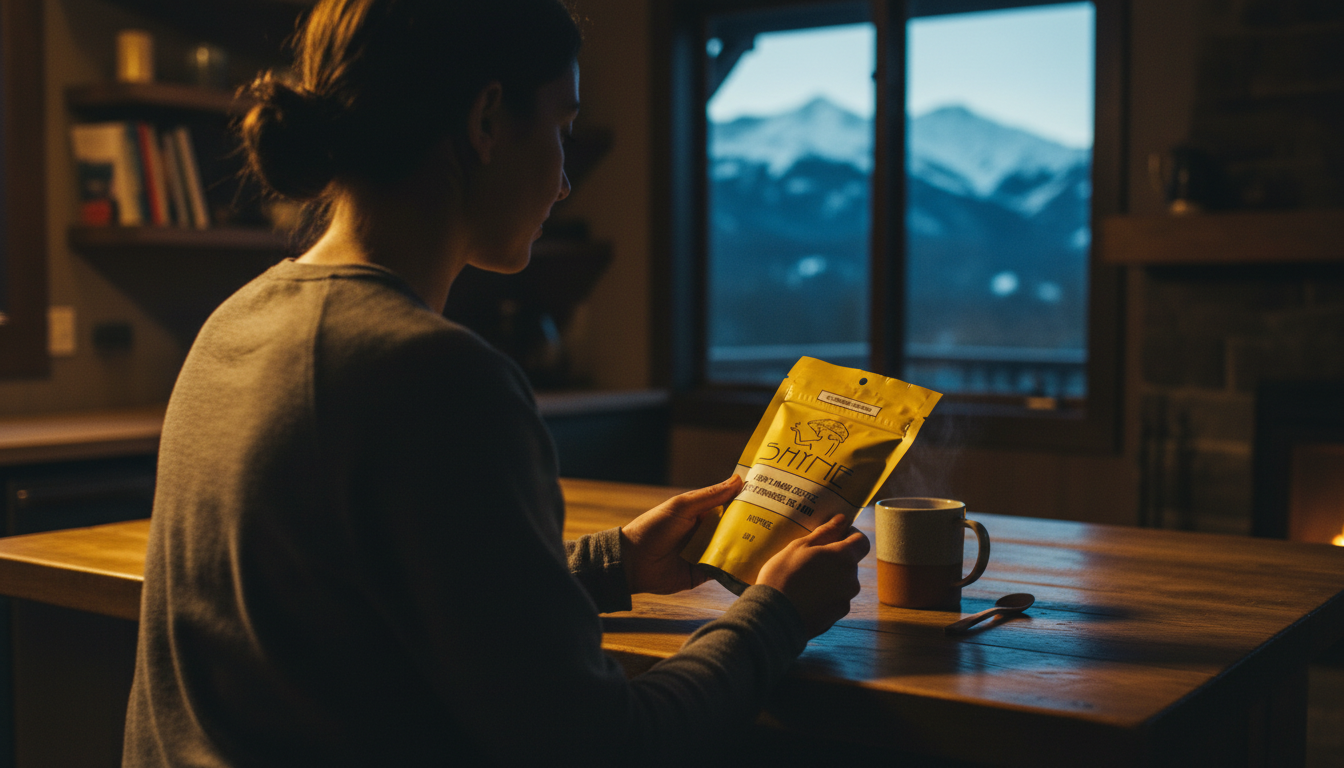
Navigating mushroom coffee labels can feel like decoding a foreign language, but once you know what to look for, it becomes much clearer. Here's your step-by-step guide to understanding what you're really getting.
First, look for the specific amount of mushroom extract per serving, not per container. Some brands will list the total mushroom content for the entire package, which can be misleading. You want to know exactly how much you're getting in each cup.
Next, check whether the product specifies "extract" or just "mushroom powder." If it doesn't specify extract, you're likely getting raw powder, which is less concentrated and potentially less effective. Quality brands will clearly state "mushroom extract" and often include the extraction ratio (like 10:1 or 8:1, meaning 10 pounds of raw mushrooms were used to make 1 pound of extract).
Look for extraction method information. The best products use dual extraction (both water and alcohol) to capture the full spectrum of compounds. Some labels will specify "dual extracted" or "water and alcohol extracted."
Pay attention to which part of the mushroom is used. You might see terms like "fruiting body," "mycelium," or "full spectrum." Full spectrum extracts contain both fruiting body and mycelium, providing a broader range of compounds. Each part offers different benefits, so full spectrum approaches can be advantageous.
Finally, check for third-party testing information. Reputable brands will mention testing for purity, potency, and sometimes specific compounds like beta-glucans. This transparency indicates a commitment to quality and accurate labelling.
Why 500mg Matters: The Sweet Spot for Daily Consumption
After reviewing the research and considering practical daily consumption, 500mg of mushroom extract per serving emerges as an effective dosage for several reasons.
First, it falls within the research-supported range for all three major mushroom varieties used in coffee blends. Whether you're consuming Lion's Mane for focus, Chaga for immune-related research, or Turkey Tail for gut health, 500mg provides a meaningful dose without going overboard.
Second, 500mg represents a practical balance for daily consumption. Unlike supplement capsules that you might take multiple times per day, most people have one primary coffee serving in their morning routine. Having a substantial 500mg dose in that single serving ensures you're getting therapeutic levels without needing to drink multiple cups.
Third, this dosage works well within the flavour profile of coffee. Higher concentrations of mushroom extract can begin to impact taste, while lower doses might not provide the full spectrum of benefits you're seeking. The 500mg level allows for meaningful potency while maintaining the rich coffee flavour that makes mushroom coffee enjoyable.
From a bioavailability standpoint, consuming mushroom extracts with coffee may actually may relate to absorption. Coffee contains compounds that can aid in the uptake of certain nutrients, potentially making that 500mg dose even more effective than if taken in isolation.
Comparing Brands: What to Look for Beyond the Numbers
When comparing different mushroom coffee brands, the milligram amount is just one piece of the puzzle. Here's what else matters in your evaluation.
Extraction quality is paramount. A 500mg dose of poorly extracted mushroom material won't be as effective as 300mg of high-quality, dual-extracted concentrate. Look for brands that provide details about their extraction process and ratios.
Source transparency matters significantly. Quality brands will tell you where their mushrooms are grown and how they're processed. Organic certification can be valuable, though it's not the only indicator of quality. What's more important is transparency about growing conditions and processing methods.
Consider the overall formula. Some brands add fillers or use low-quality coffee as a base, which can impact both flavour and value. The best mushroom coffees use high-quality coffee beans and minimal, clean ingredients alongside the mushroom extracts.
Testing and verification set premium brands apart. Look for companies that test for heavy metals, pesticides, and potency. Some brands also test for specific studied compounds like beta-glucans, providing additional assurance about product quality.
Finally, consider the company's overall approach to transparency and education. Brands that provide detailed information about their products, extraction methods, and sourcing practices are typically more trustworthy than those with vague or minimal product descriptions.
The Shyne Difference: Full Spectrum, Full Dose
At Shyne Coffee, we believe transparency isn't just nice to have – it's essential. That's why we're upfront about exactly what goes into every cup of our mushroom coffee blends.
Each serving of our mushroom coffee contains exactly 500mg of full spectrum mushroom extract. We use dual extraction methods combining both water and alcohol extraction to capture the complete range of studied compounds from both the fruiting body and mycelium of each mushroom.
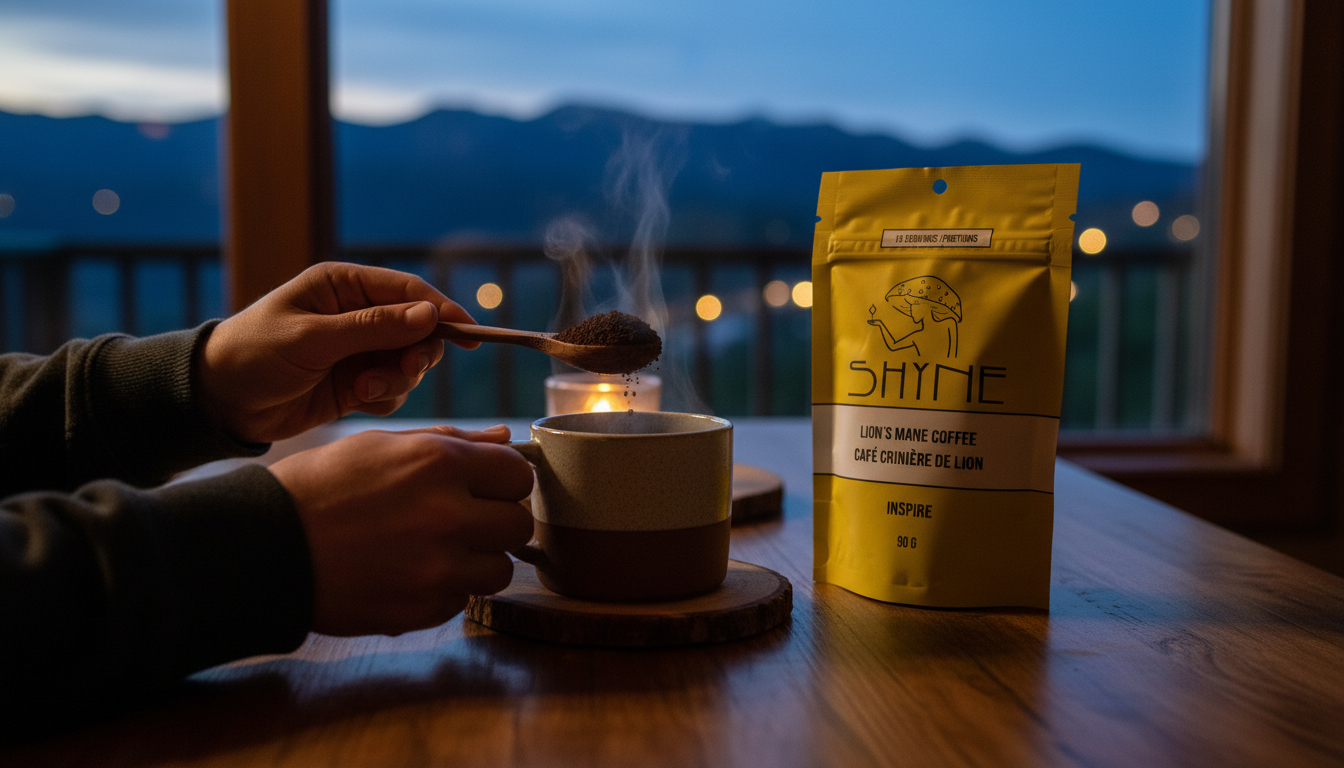
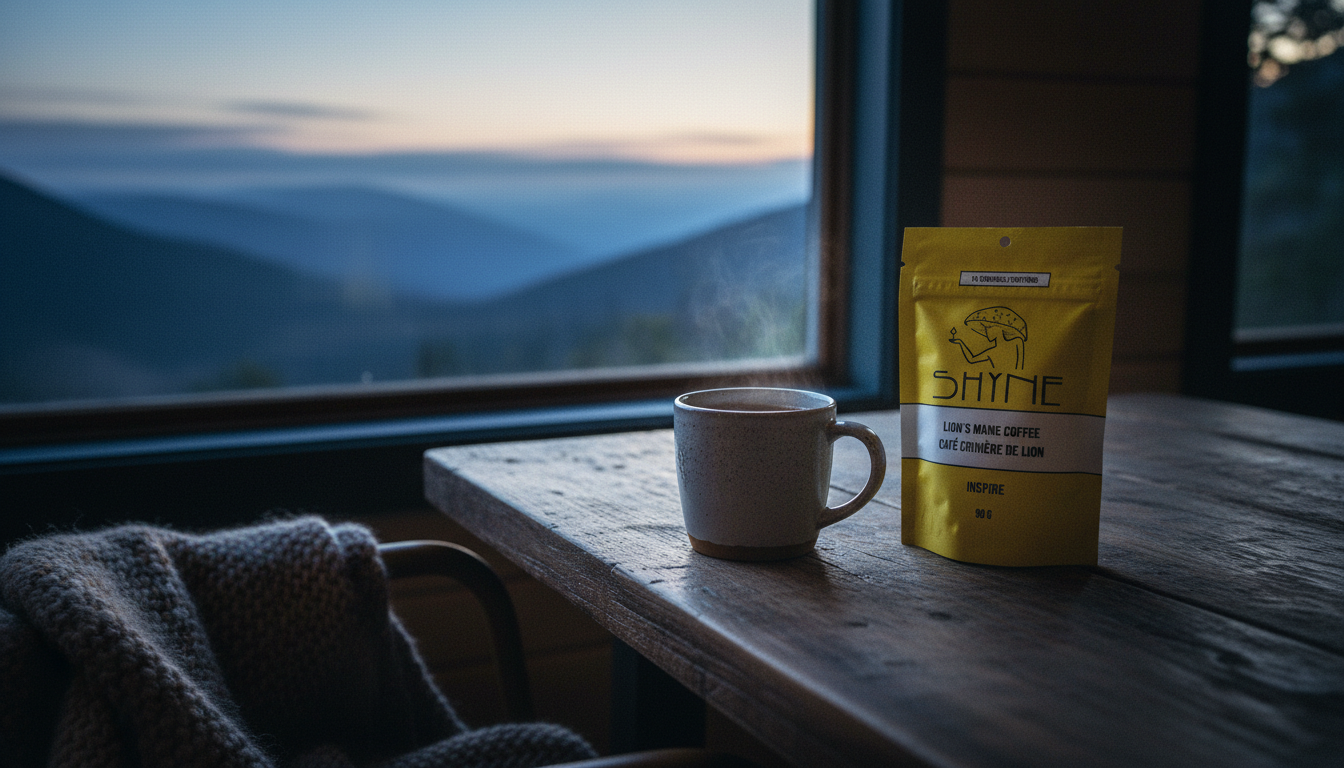
Our Lion's Mane Coffee provides 500mg of full spectrum Lion's Mane extract per serving, combined with organic instant coffee from Papua New Guinea, organic cashew milk powder, and organic maple sugar. The result is a rich, smooth coffee with notes of cashew and maple that may support focus and mental clarity.
Similarly, our Chaga Coffee and Turkey Tail Coffee each deliver the same 500mg full spectrum dose, ensuring you get meaningful amounts of the compounds that matter.
We've spent over 200 test batches perfecting not just the potency, but the taste. Because what good is a healthy coffee if you don't enjoy drinking it? Our dual extraction process and careful formulation mean you get therapeutic doses without any earthy or mushroom flavours – just smooth, delicious coffee.
For those new to mushroom coffee, our Starter Pack lets you try all three varieties with 15 cups each, so you can discover which blend works best for your needs while getting that full 500mg dose in every serving.
Making the Right Choice for Your Health Goals
Choosing the right mushroom coffee isn't just about finding the highest dose – it's about finding the right balance of quality, potency, and taste that fits your lifestyle. Now that you understand what to look for in terms of dosage and extraction quality, you can make informed decisions about what you're putting in your body.
Remember that consistency matters more than occasional high doses. A daily 500mg serving of quality mushroom extract will likely serve you better than sporadic consumption of higher amounts. This is why finding a mushroom coffee you genuinely enjoy drinking is so important – it becomes a sustainable part of your routine rather than a chore.
As you explore different brands and products, don't be afraid to ask questions. Quality companies should be happy to provide detailed information about their extraction methods, sourcing, and testing procedures. If a brand is vague about their processes or reluctant to share specifics, that's often a red flag.
The mushroom coffee market will continue to evolve, but understanding these fundamentals will may support you navigate new products and marketing claims. Focus on transparency, quality extraction methods, and meaningful doses, and you'll be well-equipped to find products that deliver real value.
Ready to experience the difference that full spectrum, properly dosed mushroom coffee can make? Try our approach with a risk-free trial and taste what transparency looks like in your morning cup.
This content is for informational purposes only and is not a substitute for professional medical advice.